
Where the misconceptions come from
The idea that frozen vegetables are nutritionally inferior to fresh ones is widespread. It persists partly because "fresh" sounds better by default, and partly because the processing steps involved in freezing, particularly blanching, are misunderstood as stripping vegetables of value. Blanching (briefly boiling or steaming before freezing) does reduce some water-soluble vitamins, particularly vitamin C and certain B vitamins. However, the reduction is modest, and the freezing that follows locks nutrients in place rather than continuing to degrade them.
Fresh vegetables sold in a typical grocery store have often been stored for days or even weeks before purchase. During that time, nutrient loss continues. A bag of frozen peas picked and frozen on the same day can retain more vitamin C than fresh peas that sat in transit and display cases for a week. For a practical look at how the two compare across cost and shelf life, see fresh vs. frozen produce nutrition and cost.
Myth
Frozen vegetables have little nutritional value compared to fresh because the freezing process destroys vitamins and minerals.
Fact
Freezing preserves most nutrients effectively, and frozen vegetables often retain comparable or higher levels of certain vitamins than fresh produce stored for several days.
Vegetables destined for freezing are typically processed within hours of harvest. After a brief blanching step, they are frozen and held at stable temperatures. Minerals and fiber are essentially unaffected by this process. Fat-soluble vitamins (A, E, K) are also largely retained. Some water-soluble vitamins, particularly vitamin C, decrease modestly during blanching, but nutrient loss from days of refrigerated storage can be just as significant.
Myth
Fresh vegetables from the produce section are always picked and sold quickly, so they must be more nutritious.
Fact
Fresh produce can travel and sit in storage for days to weeks before purchase, during which time nutrient levels continue to decline.
The term "fresh" refers to the form of the vegetable, not how recently it was harvested. Out-of-season produce in particular may have been in cold storage or transit for a long time. Blanching and freezing stop enzymatic activity that would otherwise continue degrading vitamins, which is why frozen vegetables picked at peak ripeness can compare favorably to fresh ones purchased days after harvest.
Myth
Frozen vegetables taste worse than fresh, so families will not eat them and there is no point buying them.
Fact
Texture differences are real for some preparations, but cooking method largely determines whether frozen vegetables are enjoyable.
Certain vegetables, like peas and corn, hold up extremely well from frozen and are hard to distinguish from fresh once cooked. Others, like zucchini or lettuce, do not freeze well because their cell structure breaks down and they become soft. For the vegetables that do freeze well, roasting, stir-frying, or steaming at high heat produces better texture than boiling. Matching vegetable type to cooking method closes most of the gap families notice.
Myth
All frozen vegetable products are equally healthy, so checking the label is unnecessary.
Fact
Plain frozen vegetables are nutritionally sound, but products with added sauces, cheese, or seasoning can be high in sodium, saturated fat, or added sugars.
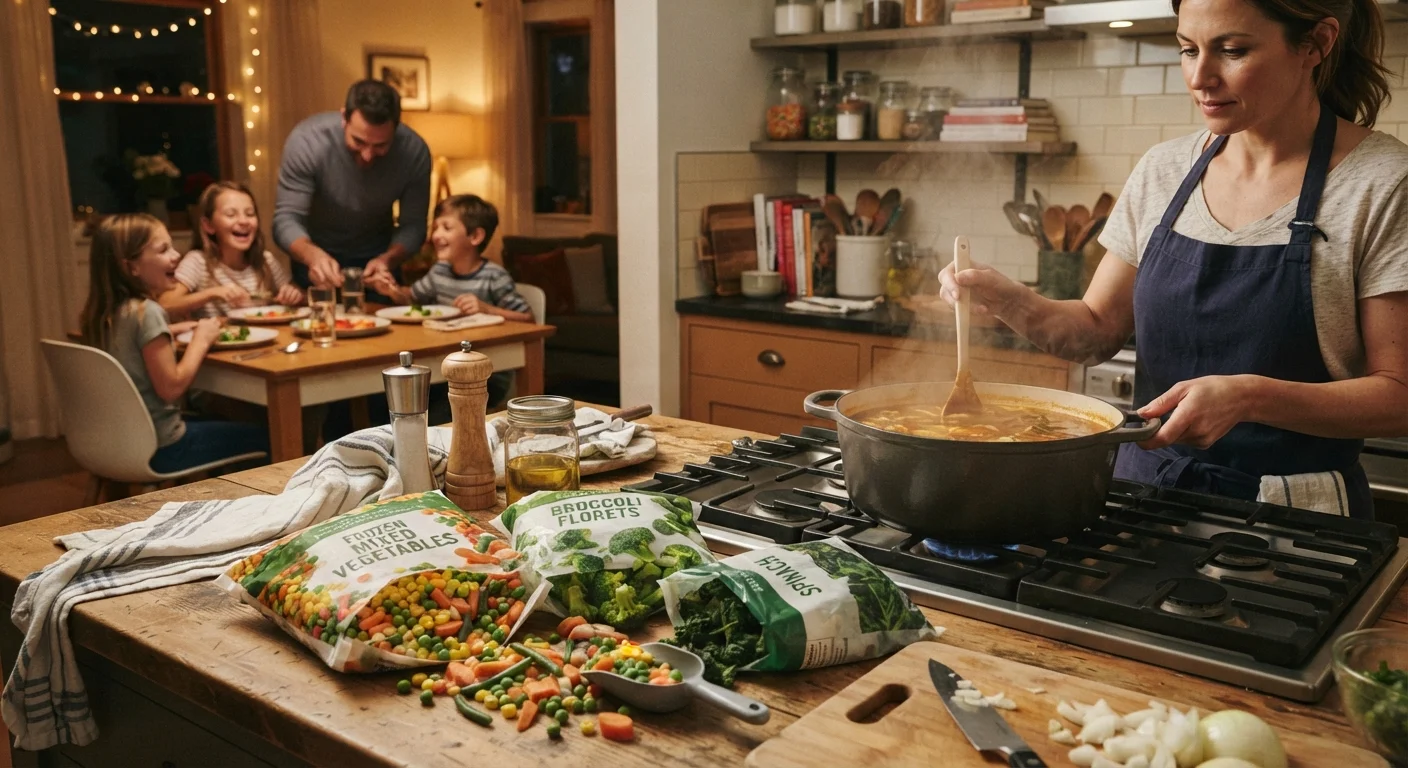
The frozen section contains a wide range of products. A plain bag of frozen broccoli florets contains broccoli and nothing else. A frozen broccoli-in-cheese-sauce product contains broccoli plus ingredients that change the nutritional profile substantially. Reading the ingredient list and nutrition label takes seconds and makes clear which product you are actually buying. Choosing plain frozen vegetables and adding your own seasonings at home is nearly always the more nutritious and less expensive option.
What the nutrition picture actually looks like
Research published in food science literature consistently finds that frozen vegetables retain comparable levels of minerals, fiber, and fat-soluble vitamins (A, E, K) to their fresh counterparts. The nutrients most affected by blanching are water-soluble ones, and even those losses tend to be in the range of 10 to 30 percent, not a wholesale elimination.
Cooking method at home often causes more nutrient loss than freezing does. Boiling frozen broccoli in a large pot of water drains water-soluble vitamins into the water. Steaming, microwaving, or roasting from frozen preserves more nutrition because vegetables spend less time in contact with water and heat. The practical lesson: how you cook matters as much as what form you buy.
Frozen vegetables with added sauces, cheese, or high-sodium seasoning packets are a different category. The plain frozen vegetable section of the freezer aisle is nutritionally sound; the heavily processed meals in the same case are not the same product. Reading the ingredient list takes about ten seconds and clears up the confusion quickly. For more on pairing frozen produce with budget-friendly staples, see how frozen vegetables fit the affordable nutrition trio.
Cost and waste: the practical advantage
For families watching grocery spending, frozen vegetables carry a clear financial argument. A pound of fresh green beans in winter can cost considerably more than a pound of frozen, and fresh beans may go soft or moldy before the week is out. Frozen bags sit in the freezer for months, meaning you use exactly what you need and lose nothing to spoilage.
Food waste is a real cost that rarely appears in simple price comparisons. If half a bunch of fresh spinach goes into the compost bin at the end of the week, the effective cost of the half that was eaten doubles. Frozen spinach produces almost no waste because you pour out what the recipe needs and seal the bag.
Using your freezer as a meal planning tool extends this logic: a well-stocked freezer with a few staple vegetables, proteins, and sauces reduces impulse spending and cuts the number of weeknight trips to the store. Not all convenience shortcuts save money, but frozen plain vegetables consistently do.
Up to 50%
Vitamin C lost in fresh spinach after refrigeration
Research in food science literature has found that fresh spinach can lose up to half its vitamin C content within a week of refrigerated storage.
40%
Share of fresh produce discarded as household food waste
Estimates from food waste research suggest roughly 40 percent of fresh produce purchased by households is thrown away before being consumed.
8-12 months
Peak quality window for most frozen vegetables
Food safety guidance generally places the optimal quality window for frozen vegetables at 8 to 12 months in a properly maintained home freezer.
Getting the best results with frozen vegetables
A few practical habits improve both texture and flavor. Do not thaw most frozen vegetables before cooking: adding them directly to a hot pan or steamer gives better texture than letting them sit and release water on the counter. For stir-fries, patting thawed vegetables dry before they hit the pan prevents steaming and gives better browning.
Frozen corn, peas, and edamame need only a short heat-through because they were fully cooked during blanching. Frozen broccoli, cauliflower, and Brussels sprouts benefit from higher heat (roasting at 400 degrees F) to get some color and avoid the waterlogged texture that puts many families off.
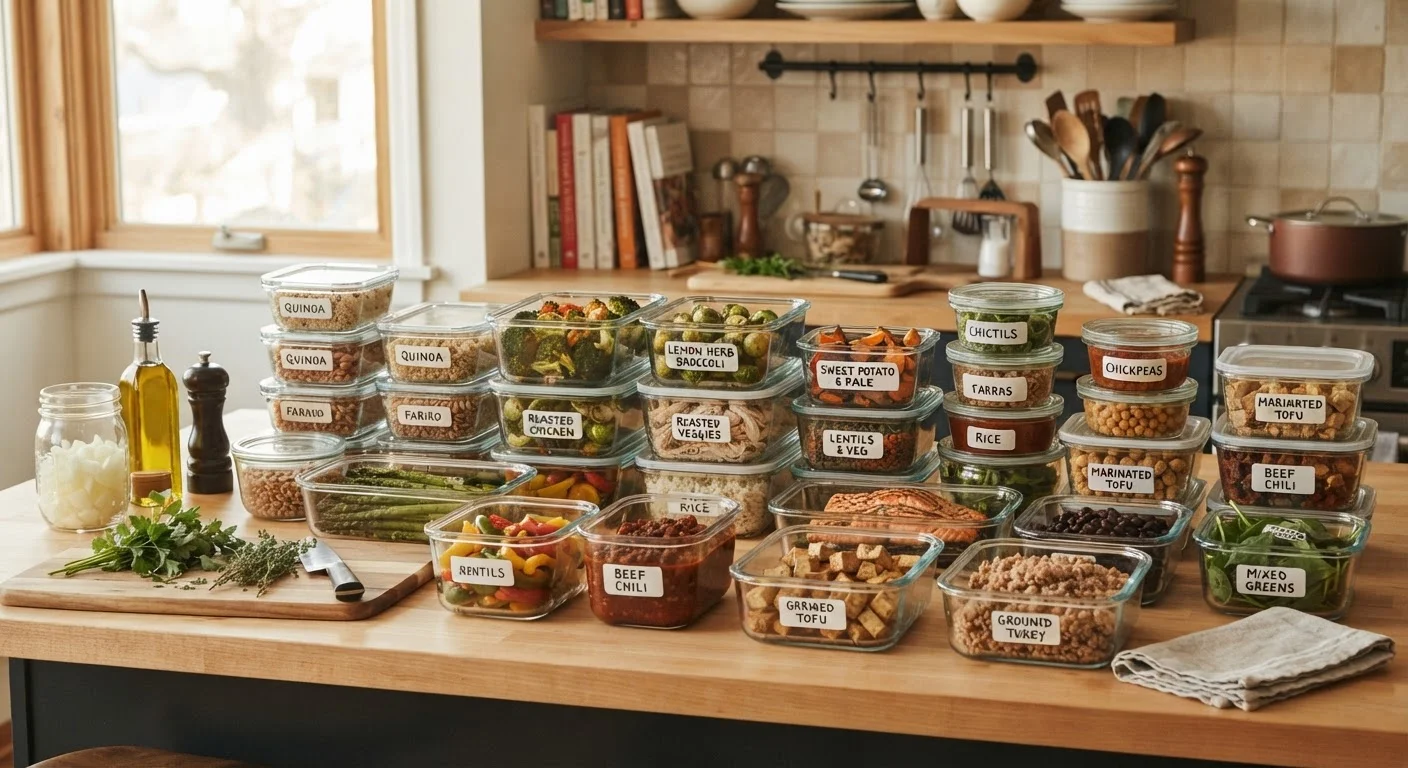
Storage time does matter. Most frozen vegetables hold quality for 8 to 12 months in a stable freezer, but texture declines after that. Label bags with a date when you buy them: a tip that also applies to anything else you store long-term. Comparing freezer and fridge meal prep strategies covers how to build this habit into a weekly routine without extra effort.
Watch out for freezer burn
Freezer burn happens when air reaches the surface of frozen food, causing dry, discolored patches that taste bitter or papery. It does not make food unsafe, but it does reduce quality. Squeeze as much air as possible out of resealable bags before returning them to the freezer, and use a clip or rubber band to seal factory bags that do not reseal. Rotating stock so older bags are used first prevents quality loss.