
The real question is cost per meal, not cost per package
Sticker price is the wrong starting point when comparing convenience foods to whole ingredients. A bag of pre-washed, pre-cut butternut squash costs roughly twice as much per ounce as a whole squash, but if half of that whole squash ends up composted, the math shifts. The honest comparison is cost per serving actually eaten, which requires factoring in your household's typical food waste.
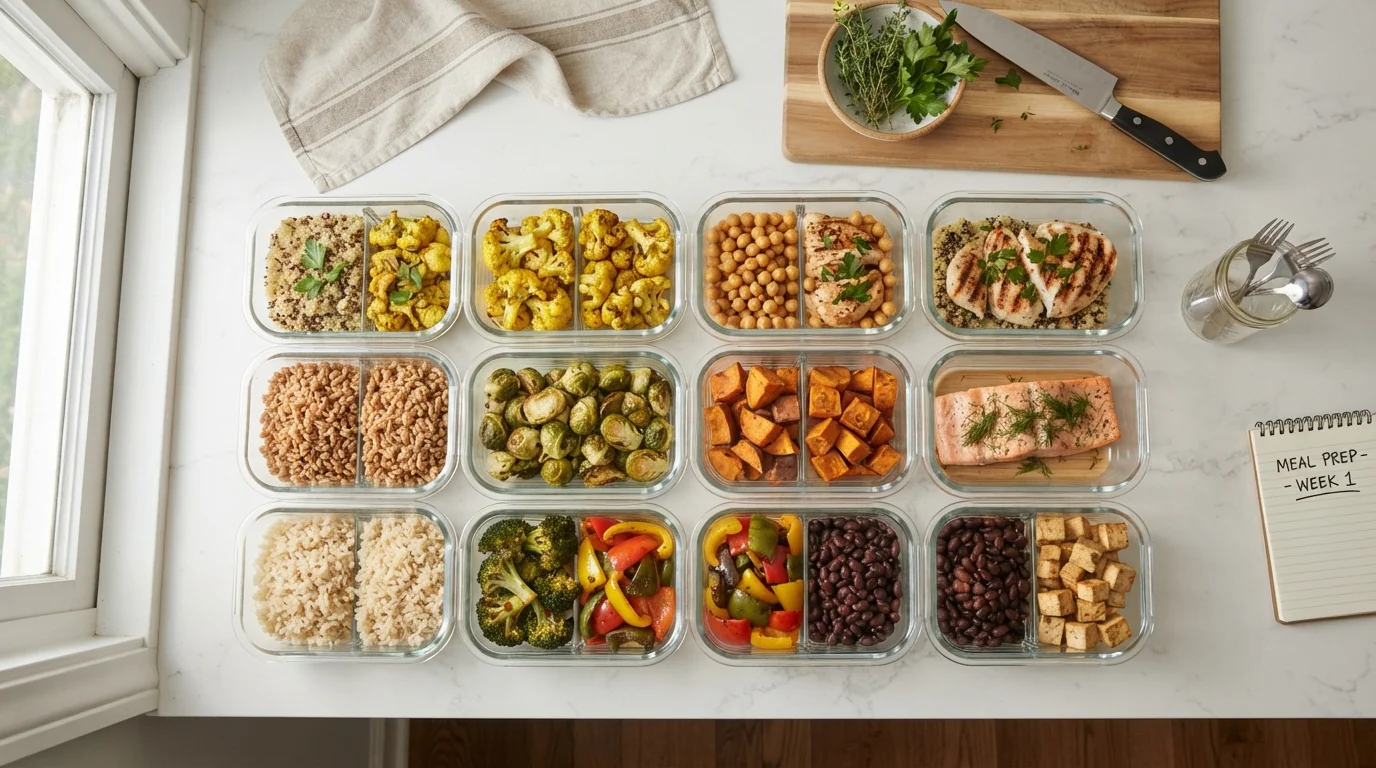
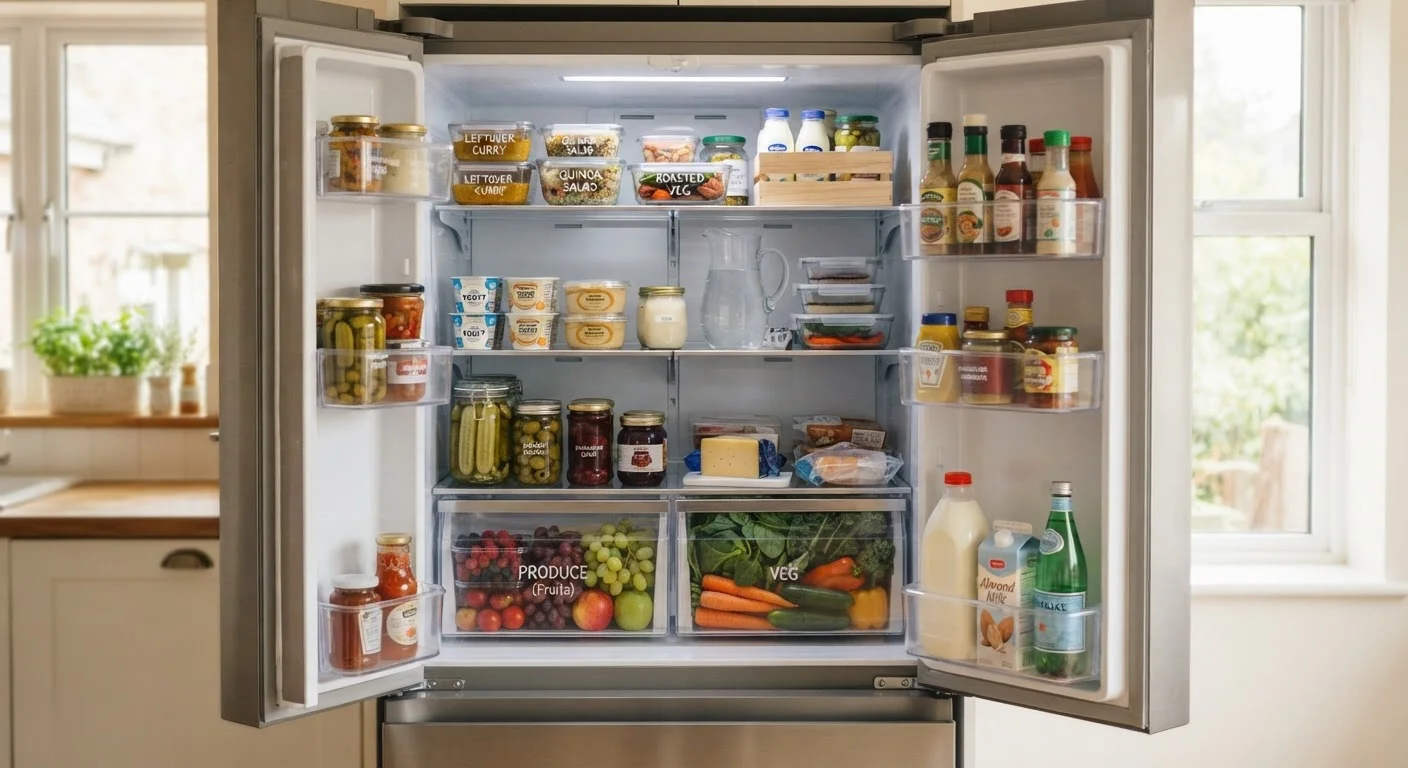
For many families, produce waste is the hidden budget leak. The logic behind meal prep addresses this directly: planning what you will actually cook before you shop is often more effective than choosing between whole and pre-cut once you are already at the store. When a convenience product prevents waste rather than just saving prep time, it can be a genuine money-saver.
Where convenience foods tend to pay off
A few categories consistently hold up under scrutiny.
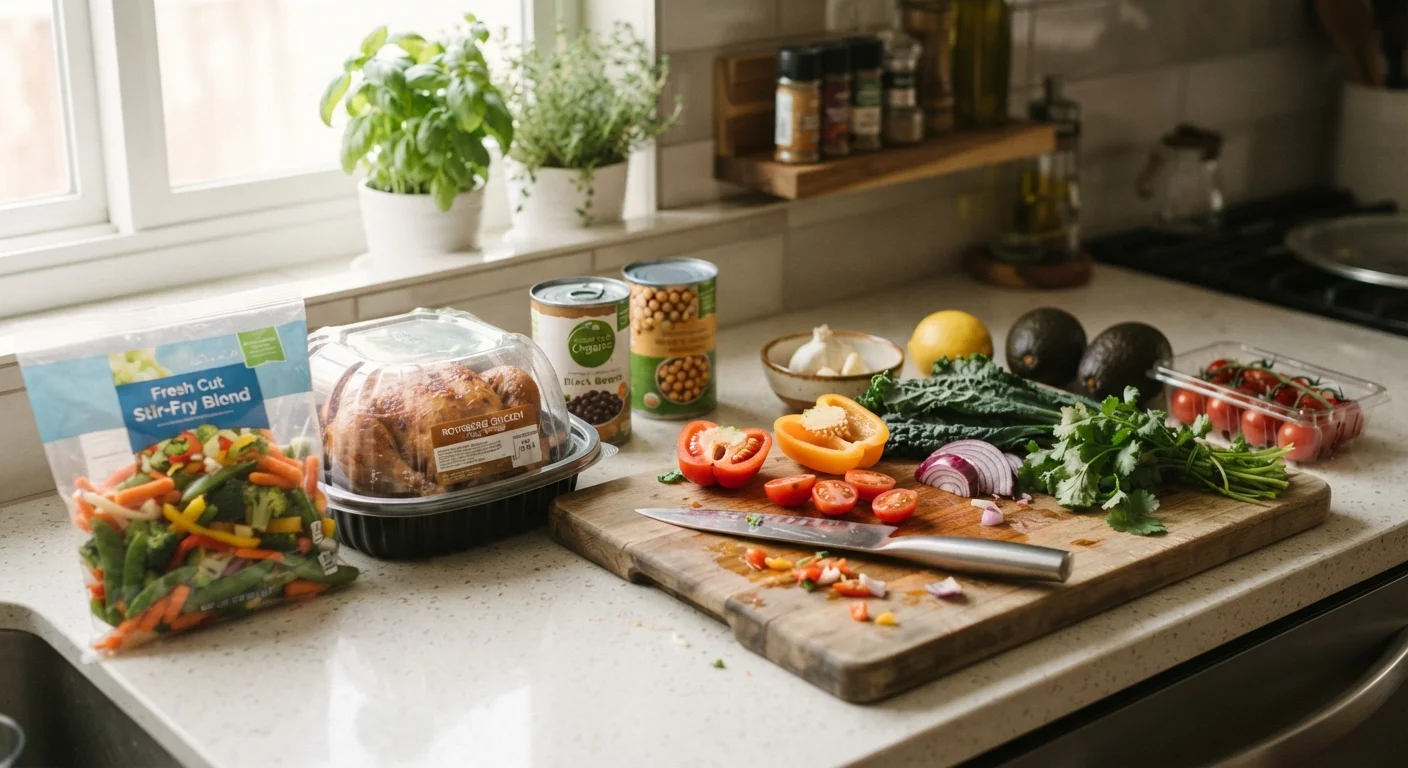
Rotisserie chicken is the most frequently cited example for good reason. The cooked bird can anchor three or four separate meals: the meat for tacos or salads on night one, the carcass for stock the next day. When the alternative is either a scratch-roasted bird that goes partially uneaten or a takeout order, the rotisserie option often wins on cost. See also how keeping vegetable scraps pairs well with homemade stock to stretch that purchase further.
Canned and dried beans sit at the affordable end of the pantry. Canned beans carry a small premium over dried, but the time savings are real and the waste rate is near zero because canned goods have long shelf lives. The pantry staples that support low-cost cooking guide covers both forms in detail.
Frozen vegetables occupy a middle ground. They are already washed and trimmed, they last months rather than days, and nutrient losses during freezing are generally small. The full picture on frozen vegetables is worth reading before assuming fresh is always the better choice.
Reduces food waste for low-use ingredients
Pre-portioned or shelf-stable convenience items like canned beans and frozen vegetables last much longer than their fresh counterparts, so households that struggle to use produce before it spoils may actually spend less overall.
Prevents costly takeout on time-pressed nights
When the realistic alternative to a convenience shortcut is a restaurant or delivery order, the pre-cut vegetables or rotisserie chicken is almost always the cheaper path, often by a significant margin per serving.
Frozen and canned options retain strong nutritional value
Freezing and canning lock in nutrients at or near peak ripeness, so families do not trade nutrition for convenience in most categories. This is particularly well-documented for legumes and most frozen vegetables.
Lowers the barrier to cooking at home
Reducing prep complexity can keep home cooking accessible for households with limited time or confidence, which generally produces healthier and less expensive meals than restaurant alternatives.
Where convenience costs more than it returns
Pre-cut fresh vegetables carry the steepest premiums and the shortest shelf lives of any convenience product. Once a carrot is peeled and sliced, its usable window drops from weeks to days. A family that buys pre-cut carrots but does not cook them within two or three days has paid extra for the privilege of throwing food away sooner.
Single-serve snack packs, portion-controlled deli meats, and individual servings of grains or legumes follow a similar pattern. The per-unit price can be two to four times the equivalent bulk purchase, and the smaller portions often do not match actual serving needs, leading families to open multiple packages anyway.
Seasoning blends and spice packets are another category to watch. A packet of taco seasoning may seem inexpensive, but a jar each of cumin, chili powder, and garlic powder costs less per batch and covers far more meals. The trade-off is cabinet space and the willingness to measure, not any meaningful skill barrier.
Pre-cut fresh vegetables carry steep per-ounce premiums
Pre-cut fresh produce can cost twice as much per ounce as equivalent whole vegetables, and the shorter shelf life means waste risk is higher, not lower, compared to whole items that are prepared as needed.
Single-serve packaging multiplies unit cost significantly
Individually portioned snacks, grains, and proteins often cost two to four times the equivalent bulk or family-size purchase, with no compensating quality or shelf-life advantage.
Spice packets and seasoning blends add up quickly
Per-meal seasoning packets carry a large markup over buying individual spices in small jars, which cover many more meals at a fraction of the cost per batch.
Convenience formats can obscure actual portion sizes
Pre-portioned products are sized by manufacturer, not by household need, so families may open multiple packages to feed everyone, negating both the cost and waste advantages.
Time as a real input, not a soft excuse
Treating time as free leads to bad budget math. If a family genuinely does not have 20 minutes to chop vegetables on a weeknight, the practical choice is between pre-cut vegetables and takeout, not between pre-cut and scratch-cut. Framed that way, the pre-cut option may actually save money.
The more useful question is whether the time saved by a convenience product is time that would otherwise produce a less expensive result. Washing and tearing salad greens takes roughly four minutes. Buying a pre-washed bag for twice the price saves four minutes. That is a poor trade on most evenings. Butchering a whole chicken takes 10 to 15 minutes and requires some knife skill, so buying bone-in pieces or a rotisserie bird is a more defensible shortcut.
A note on time and skill assumptions
Convenience food decisions often rest on assumptions about cooking skill that are worth questioning. Many prep tasks that seem intimidating, like breaking down a head of cauliflower or cooking dried beans, take less time than expected once done a few times. Building those skills gradually can shift the calculus on several convenience categories without requiring any single dramatic change to how you shop.
Batch cooking one or two components on a weekend afternoon is often more effective than buying convenience versions of those same components throughout the week. Cooking a pot of grains or beans takes little active effort and cuts weeknight prep to minutes.
A practical framework for deciding
Before adding a convenience product to the cart, three questions help clarify the trade-off. First, how often does your household actually waste the whole version of this ingredient? Second, is the time saved meaningful given tonight's schedule, or is it genuinely spare? Third, does the convenience format match the quantity you will use before it spoils?
For produce, comparing cost per edible ounce rather than cost per package gives a clearer picture. For proteins, the yield on whole cuts versus pre-trimmed versions matters. The cost-per-serving comparison between fresh and frozen produce demonstrates this kind of unit-based thinking in practice.
Families who tend toward all-or-nothing approaches, buying everything pre-cut or refusing all shortcuts on principle, usually spend more than those who apply selective judgment. A cart with whole onions, canned beans, frozen spinach, and a rotisserie chicken covers a week of dinners efficiently without requiring a position on convenience foods as a category.
30-40%
Estimated share of food purchased but not eaten in U.S. homes
The U.S. Department of Agriculture has estimated that food loss and waste at the consumer level accounts for roughly 30 to 40 percent of the food supply.
2x+
Typical premium for pre-cut vs. whole fresh vegetables
Price comparisons across common grocery categories consistently show pre-cut fresh vegetables priced at double or more per ounce compared to whole equivalents in the same store.