
What batch cooking actually means
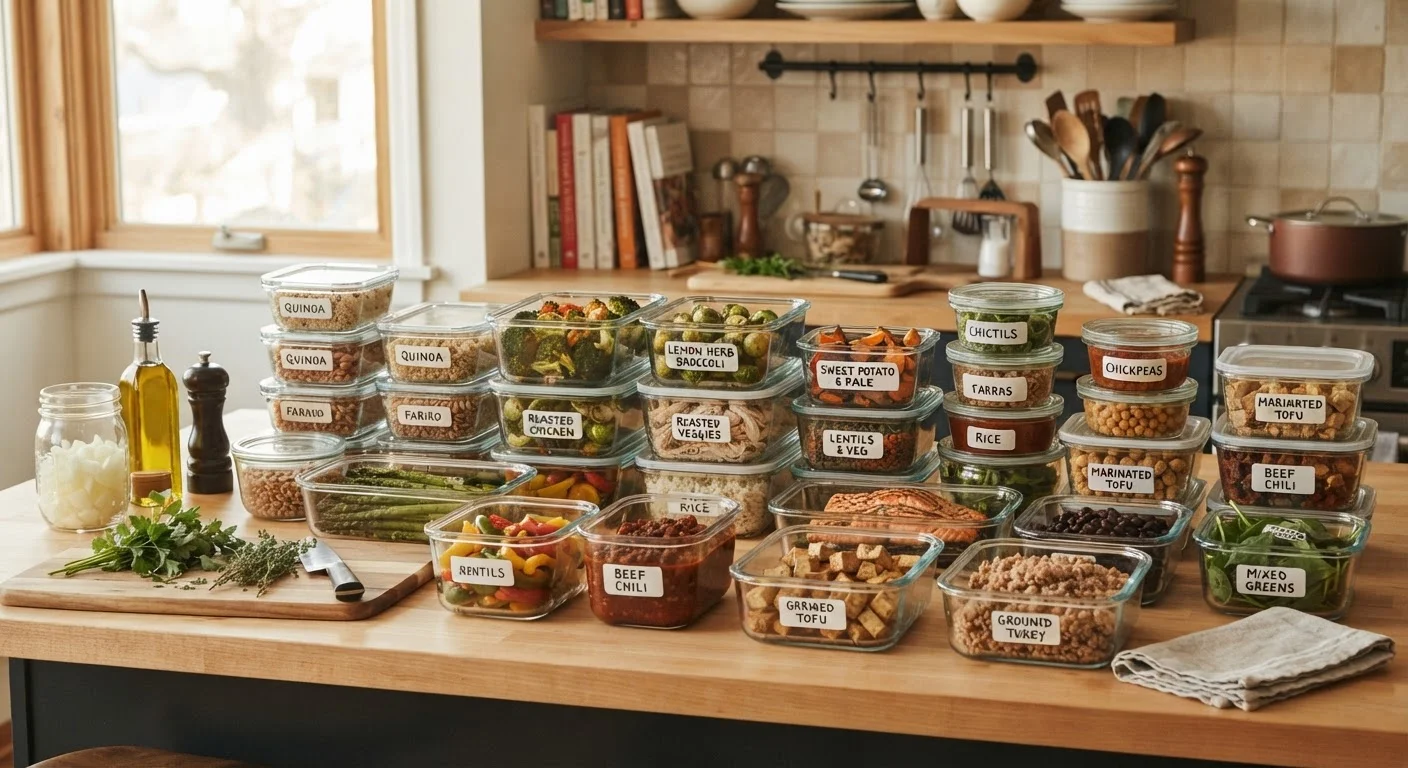
Batch cooking is the practice of cooking larger amounts of food in a single session, then portioning and storing it so individual meals take only minutes to assemble later. It is not the same as making a big pot of soup and eating it every night. Done well, it produces flexible components: cooked grains, roasted vegetables, seasoned proteins, and simple sauces that combine in different ways across the week.
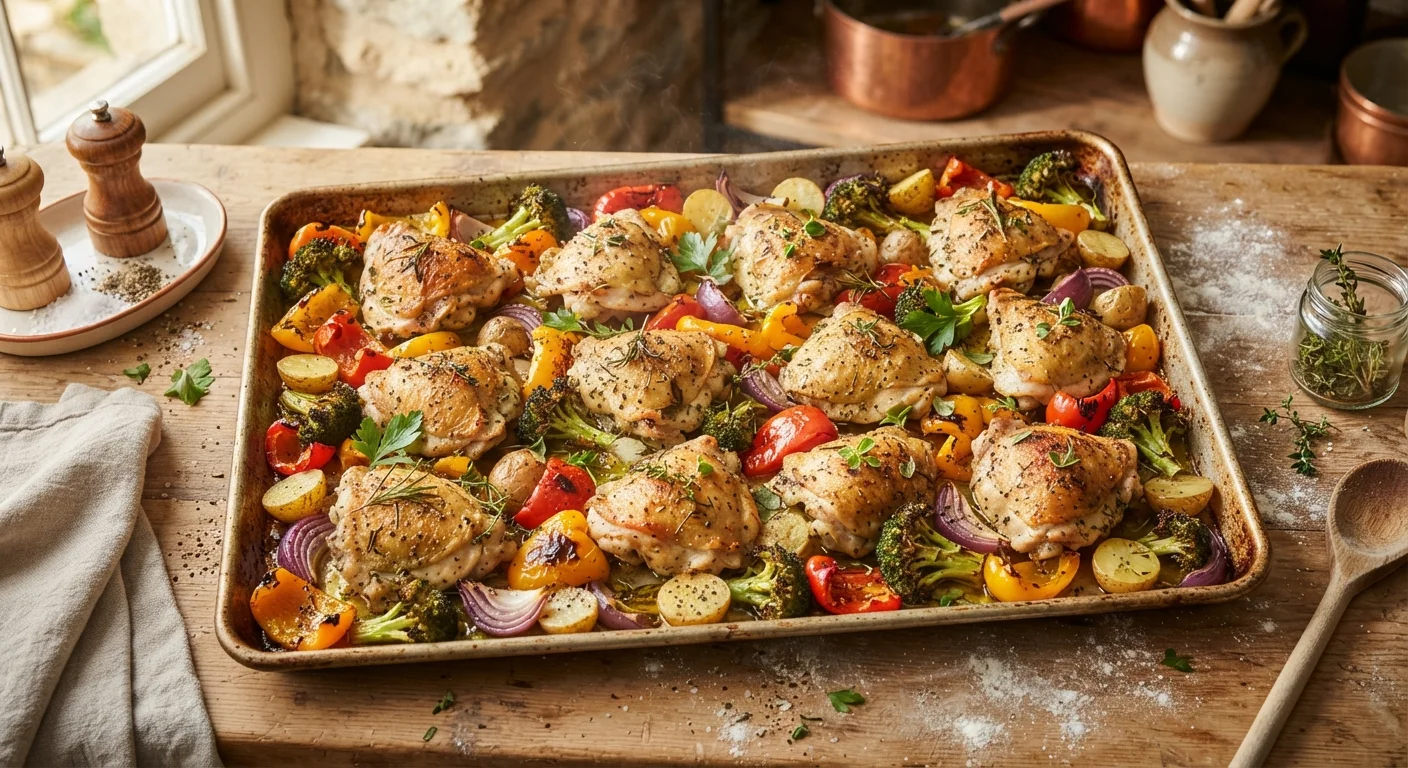
A typical Sunday session might cover a pot of brown rice, a sheet pan of roasted root vegetables, a slow-cooked batch of chicken thighs, and a pot of beans. From those four items, a family can pull together grain bowls, tacos, soups, and stir-fries without starting from scratch each night. The practical step-by-step approach to planning one of these sessions covers how to sequence cooking tasks so everything finishes without the kitchen turning into a bottleneck.
Where it genuinely helps families
Cuts weeknight cooking time to 15-30 minutes
With proteins, grains, and vegetables already prepared, assembling dinner on a Tuesday takes roughly the same time as heating leftovers. Families report this is the single biggest quality-of-life change.
Reduces per-meal grocery cost
Buying in bulk quantities for a Sunday session costs less per serving than buying smaller portions across the week. Dried beans and bone-in chicken pieces are among the most cost-effective staples to batch.
Fewer last-minute takeout decisions
Having ready components in the fridge removes the 'there's nothing to eat' moment that often leads to expensive takeout. Families with a stocked batch fridge order out less frequently on school nights.
Reduces food waste
Planning one large session around a fixed ingredient list means buying only what will be used. Smaller, more spontaneous grocery trips often lead to impulse purchases and produce that goes unused.
Builds a repeatable weekly structure
Once the routine is established, grocery lists and cooking decisions become faster because the framework stays the same week to week. Only the specific recipes rotate.
The clearest win is weeknight speed. When grains and proteins are already cooked, dinner assembly shrinks to reheating and seasoning. That matters most between 5 and 7 PM when everyone is tired and hungry. Families who start with a structured weekly routine often report that the weeknight decision fatigue drops noticeably within the first two weeks.
Cost control is another real benefit. Buying larger quantities of affordable proteins like chicken thighs, dried beans, and eggs is cheaper per serving than buying smaller amounts more frequently. The article on batch cooking affordable proteins shows how three staple ingredients can stretch across five or six different meals without the week feeling monotonous.
Where it creates problems
Requires a 2 to 4 hour Sunday commitment
The time block is non-trivial, especially for families with packed weekends. Missing or shortening the session often means the weekday benefits disappear entirely that week.
Food variety can feel repetitive
Eating from the same batch of chicken or grains for five days in a row wears thin for most people. Without deliberate variation in seasoning and presentation, resistance builds quickly.
Requires adequate refrigerator and container storage
A full week of batch-cooked components needs significant fridge space and enough airtight containers. Families without this setup face a practical barrier before they even start.
Picky eaters disrupt the system
When different family members refuse the same proteins or vegetables, the batch model breaks down. Accommodating multiple preferences multiplies the workload and undermines the time savings.
Front-loaded effort feels costly if plans change
Unexpected dinners out, sick days, or schedule changes mean batch-cooked food may go uneaten or waste. The Sunday investment feels less worthwhile when the week does not go as planned.
The Sunday time block is the biggest obstacle. A proper batch session takes 2 to 4 hours including cleaning. Families with weekend activities, part-time jobs, or small children underfoot will find that time hard to protect consistently. Missing one Sunday can cascade into a chaotic week.
Food fatigue is a genuine risk when batch cooking is planned poorly. If the same chicken breast goes into Monday tacos, Tuesday pasta, and Wednesday grain bowls with only a sauce change, some family members will notice and resist. Varying cooking methods helps: braising vs. roasting cheaper cuts is worth reading if you want the same batch protein to taste meaningfully different across two meals.
Storage safety matters
Batch cooking creates large quantities of cooked food that need to cool and store correctly. Cool cooked food to room temperature within two hours before refrigerating. Divide large portions into shallow containers so the center cools quickly. The USDA recommends keeping your refrigerator at 40 degrees F or below to prevent bacterial growth in stored cooked foods.
Realistic expectations for the first month
Most families do not hit a smooth rhythm until the third or fourth week. The first session typically runs longer than planned because estimating quantities for a full week is harder than it looks. Start with two batch items rather than five, build familiarity with storage times (cooked grains last 4 to 5 days refrigerated; cooked proteins 3 to 4 days), and scale up once the routine feels manageable.
Batch cooking pairs well with a short list of quick-assembly weeknight recipes. Dried pasta works well here: it is affordable, stores indefinitely, and pairs with sauces or proteins already prepared in the batch session. The goal is a system where Sunday effort pays off clearly by Wednesday, not one where you feel obligated to honor a rigid meal plan regardless of what the week throws at you.
2-4 hrs
Typical Sunday batch session length
Home cooks consistently report this range once they include prep, cooking, portioning, and kitchen cleanup.
4-5 days
Safe fridge life for cooked grains
The USDA recommends consuming cooked rice and other grains within 4 to 5 days when stored in an airtight container at 40 degrees F or below.
3-4 days
Safe fridge life for cooked poultry
USDA food safety guidelines state that cooked poultry should be eaten or frozen within 3 to 4 days of refrigeration.