

Why two-meal cooking backfires
Cooking a separate meal for kids seems like a peace-keeping move, but it usually makes the problem bigger. Children who always get a guaranteed alternative have little reason to try anything else. Over time, the list of accepted foods shrinks, and the parent ends up committed to a nightly short-order shift that adds cost, time, and frustration.
The goal is not to force children to eat foods they genuinely dislike. It is to build a dinner routine where one meal satisfies everyone without a second round of cooking. That requires a shift in how you plan and present food, not heroic patience or rigid rules.
For a broader look at planning meals that fit both nutrition and a tight grocery budget, see how to build a nutritious weekly meal plan around store sales.
Build meals with a modular structure
The most reliable way to serve one dinner that works for everyone is to design meals in parts: a protein, a starch, and a vegetable that can be plated separately. Tacos, grain bowls, pasta with sauce on the side, and sheet pan meals all follow this logic. Each person assembles their plate from the same components, which means you cooked once.
Design dinner around a shared base, then add toppings or sauces separately.
When the core of a meal is neutral, both picky eaters and adults with more developed tastes can customize without anyone cooking twice. This approach also cuts grocery complexity because you buy one set of ingredients.
Give children one real choice at dinner, not an open-ended alternative.
Offering a choice between two options (corn or peas, rice or noodles) gives children a sense of control without opening the door to an entirely different meal. It also keeps your prep contained to what you already planned.
Serve new ingredients in small amounts alongside accepted foods every week.
Repeated low-pressure exposure is more effective than one-time pressure. Children who see a food regularly without being forced to eat it are more likely to try it eventually on their own terms.
Pre-plate children's food before adding spice or bold seasoning to the adult portion.
Most family meal conflicts come down to heat or strong flavors that children are genuinely more sensitive to. Pulling their portion before the final seasoning step costs about 30 seconds and prevents having to cook a separate dish.
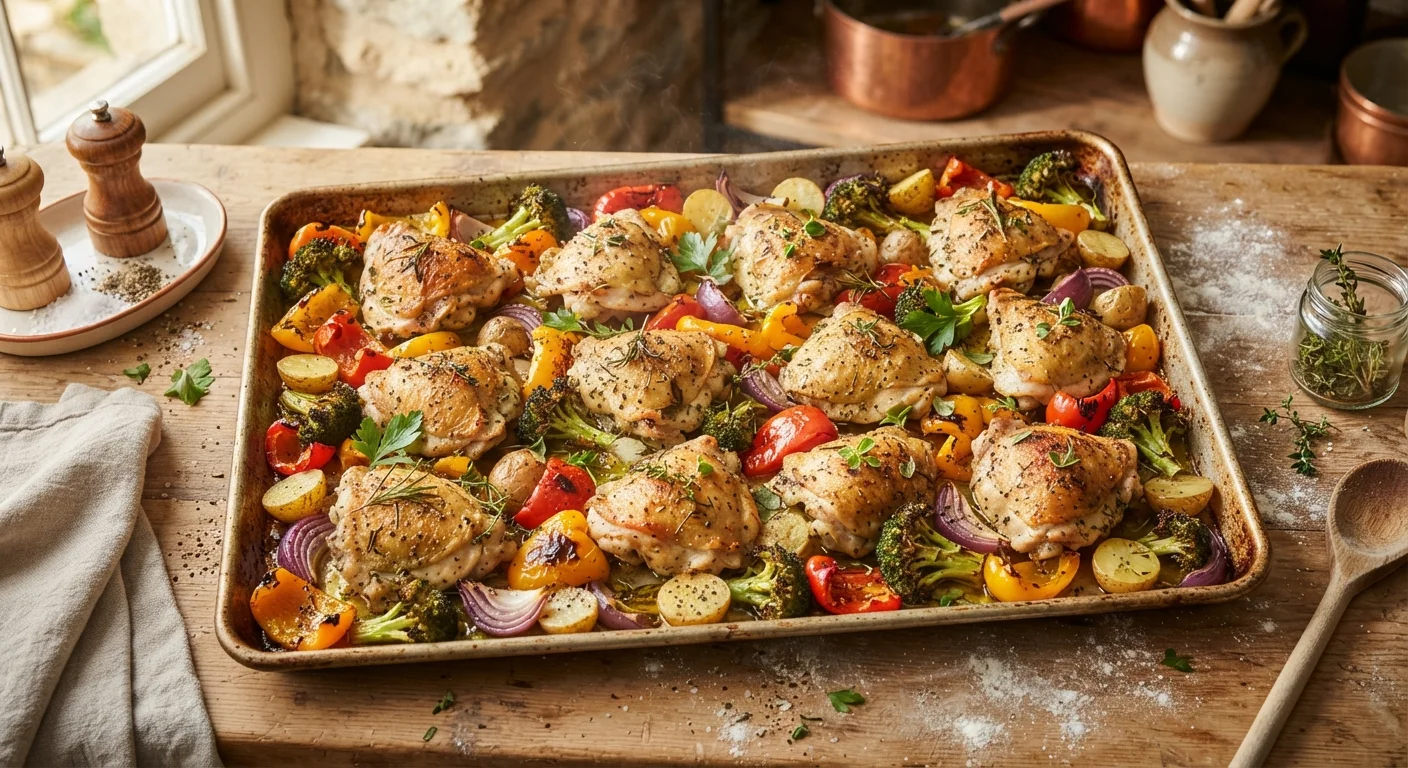
When sauces or seasonings are the sticking point, cook the base plain and season your own plate at the table. A simple pan of roasted chicken thighs costs the same whether you finish yours with hot sauce or nothing at all. Sheet pan dinners are particularly good for this because each component roasts separately and is easy to portion before adding any seasoning.
Introducing new foods without a battle
Children are more likely to accept a new food when it sits beside something familiar, not when it replaces it. Serve one new vegetable alongside a grain and a protein the child already accepts. The bar is tasting, not finishing, and that distinction matters to kids who feel anxious about unfamiliar foods.
Texture is often a bigger obstacle than flavor. A child who refuses cooked zucchini may eat it raw with the same meal. Roasting vegetables at high heat until the edges brown changes both texture and sweetness in ways many children find more acceptable than steaming. Reducing added sugar gradually works on the same principle: small, incremental changes land better than sudden swaps.
Keeping costs in line while cooking for mixed tastes
Flexible base ingredients that adults and children both accept tend to be affordable: eggs, dried beans, ground meat, rice, pasta, and potatoes. Buying these as weekly staples and rotating the flavor profile around them keeps spending steady while the actual dinner changes. One whole chicken can produce four different weeknight meals, which makes it one of the better per-serving values in the grocery store.
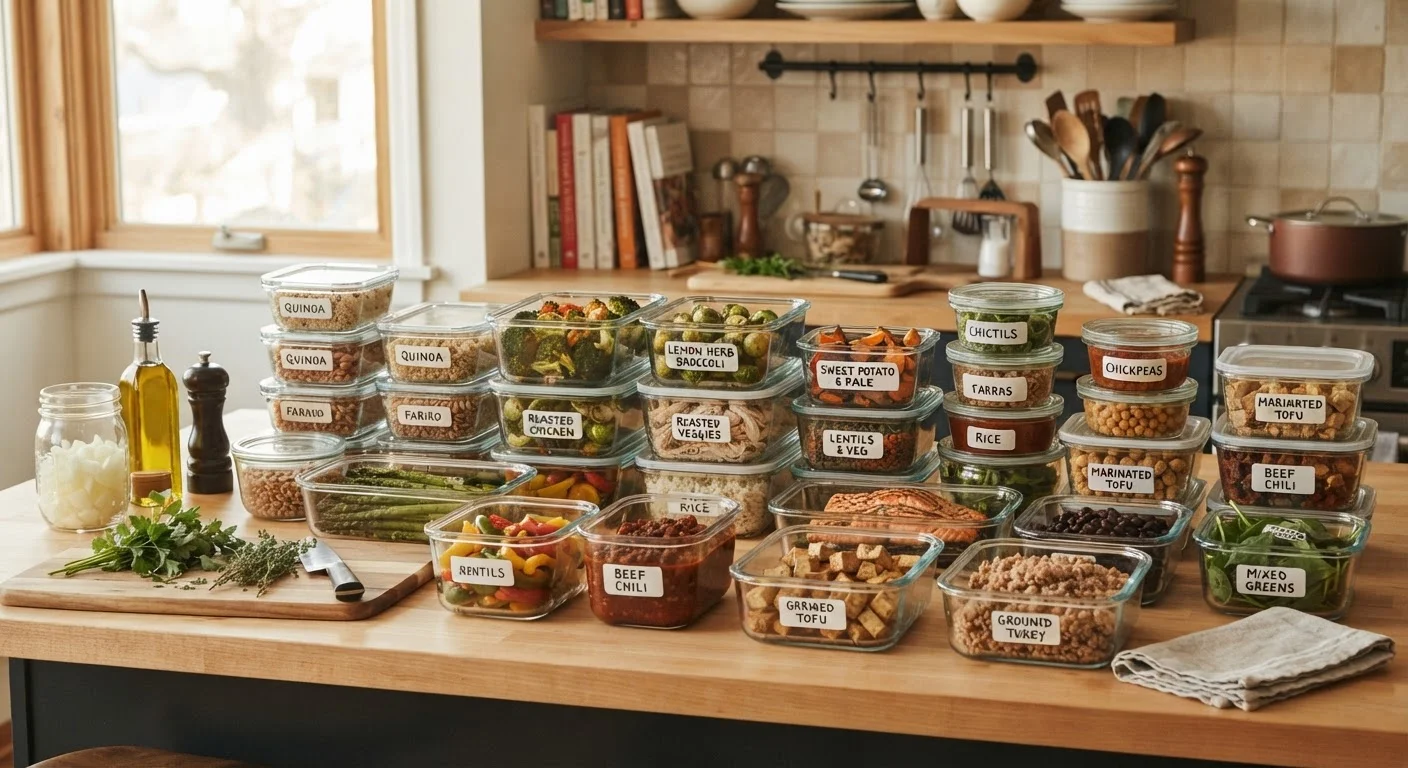
Pre-cooking grains and proteins on the weekend shrinks the weeknight workload considerably. A batch of cooked rice or roasted chicken takes the same amount of effort whether you use it Monday or Thursday. For a full approach to this, the Sunday batch cooking guide covers planning, cooking, and storage in one place.
If seasoning is the dividing line in your household, common seasoning mistakes are worth reviewing. Flat food is harder to sell to anyone, adults included.