

Why budget and nutrition are not opposites
A widespread assumption holds that eating well costs more. The reality is more practical: the foods with the strongest nutritional profiles, whole grains, legumes, eggs, canned fish, and frozen vegetables, are also some of the least expensive items in a grocery store. The cost pressure families feel often comes from packaged, processed convenience foods, not from fruits, vegetables, or whole-food proteins.
For a fuller look at how this misconception formed and what the evidence says, see why healthy eating does not have to mean expensive eating.
The practical shift is this: when a weekly grocery trip is organized around whole staples rather than pre-made products, the per-meal cost drops and the nutrient density goes up. That is the foundation this guide builds on.
Nutrient density
The amount of beneficial nutrients (such as protein, fiber, vitamins, and minerals) a food provides relative to its calorie content. Foods with high nutrient density give you more nutritional value per dollar and per calorie.
Whole food
A food that is minimally processed and close to its natural state, such as dried beans, oats, or fresh vegetables. Whole foods generally cost less and contain more nutrients than heavily processed packaged alternatives.
Legume
A category of plants that includes beans, lentils, and peas. Legumes are high in protein and fiber, inexpensive, and shelf-stable when dried or canned, making them a practical staple for budget cooking.
Batch cooking
Preparing a large quantity of food in one cooking session so it can be used across multiple meals during the week. This approach saves time, reduces waste, and lowers the cost per serving.
Shelf-stable
A food that can be stored at room temperature for an extended period without spoiling. Examples include dried grains, canned goods, and dried legumes. Keeping shelf-stable staples on hand reduces the need for frequent grocery trips.
The staples that do the most work
A short list of shelf-stable and refrigerated staples can cover the majority of a family's nutritional needs at low cost. Dried beans and lentils supply protein, fiber, and iron. Oats provide complex carbohydrates and soluble fiber at pennies per serving. Eggs are one of the most complete protein sources available at any price point. Canned tomatoes, canned fish (such as tuna or salmon), and frozen vegetables round out a core inventory that supports dozens of meals.
Keeping these items stocked means fewer emergency trips and less reliance on expensive ready-made foods. For a complete reference list organized by category, see pantry staples that form the backbone of healthy, low-cost cooking. The pantry ingredients that make fast dinners possible is also a useful companion when time is short on a weeknight.
Planning meals before you shop
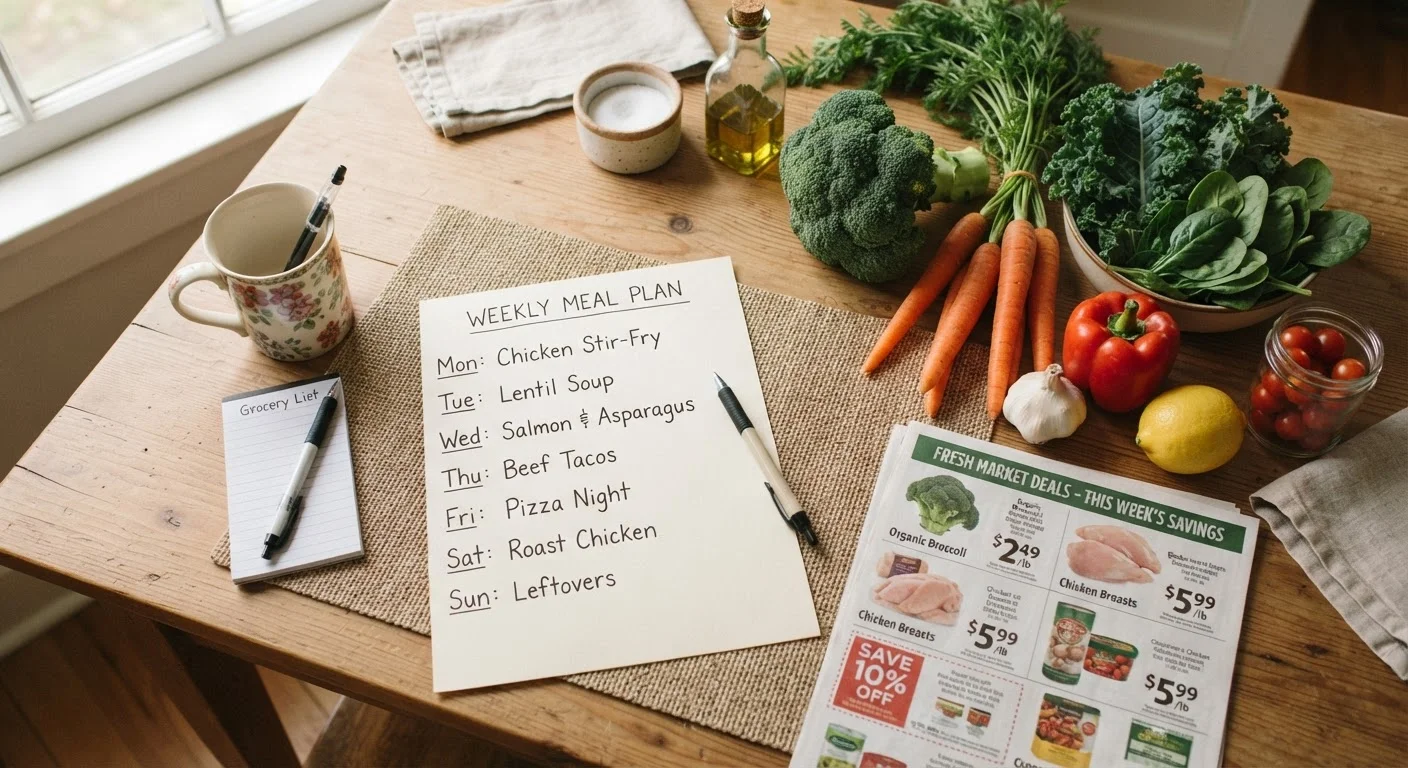
Shopping without a plan is one of the most reliable ways to overspend. A written meal plan created before each grocery trip keeps the cart focused on what the family will actually eat that week. It also makes it possible to align purchases with store sales, which compounds the savings without requiring any change to the nutritional quality of meals.
The process does not need to be elaborate. Write out five to seven dinners, account for lunches using leftovers, and build a grocery list from that. Building a nutritious weekly meal plan around store sales walks through this step by step.
Families new to meal prep will also find weekly meal prep for busy families: where to start a straightforward entry point. Why meal prepping actually saves you money explains the financial logic behind the habit.
Stretching proteins and vegetables further
One of the most effective cost-reduction strategies is extending animal proteins with plant-based ingredients. A modest amount of ground beef or chicken goes much further in a dish that also includes beans, lentils, or extra vegetables. Taco fillings, soups, grain bowls, and stir-fries all work this way. For a practical example, see taco night done right: building a flexible family meal on any budget.
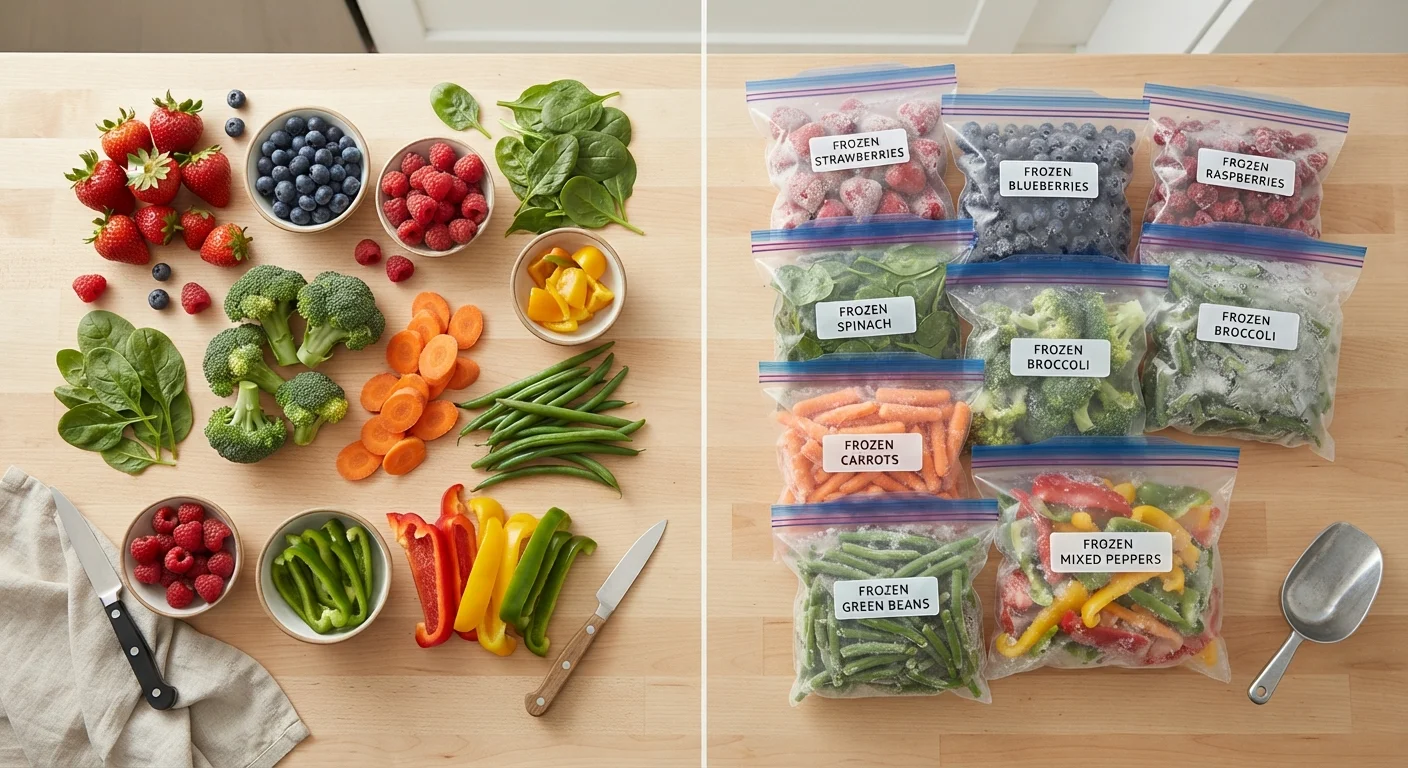
Frozen vegetables are especially useful here. Because they are processed and frozen close to harvest, most of their nutrients are retained, and they cost less than fresh equivalents while generating no spoilage. A bag of frozen spinach or mixed vegetables added to a bean soup or pasta dish increases the nutritional content of the meal at minimal extra cost.
Make one protein serve multiple meals
When you cook a larger cut of meat or a full pot of beans, plan from the start how the leftovers will be used. Chicken cooked on Sunday can go into tacos on Monday and a soup on Wednesday. This approach reduces the cost per serving and the time spent cooking mid-week.
For families managing added sugar in their diet alongside cost, smart approaches to reducing added sugar in family meals offers practical guidance that fits naturally into budget cooking.
Reducing waste so every dollar counts
Food waste is a direct financial loss. Produce that spoils before use, leftovers that go uneaten, and opened packages forgotten at the back of the fridge all represent money spent twice: once at the store and once in the trash. A few habits address most of this.
- Store perishables correctly: leafy greens stay crisp longer wrapped loosely in a paper towel inside a sealed bag; root vegetables do better in cool, dark spaces than in the refrigerator.
- Follow a "first in, first out" rule: move older produce and dairy to the front so it gets used before newer purchases.
- Cook a larger batch once or twice per week and repurpose leftovers into new meals. Cooked rice becomes fried rice. Roasted vegetables go into grain bowls or wraps. Broth can be made from vegetable scraps and chicken bones.
These habits lower the effective cost per meal without requiring a larger budget. The Meal Prep Basics hub has additional ideas for turning one cooking session into several days of meals. The Quick Recipes hub is a useful resource when you need a fast way to use up what is already in the kitchen.
This article is for general informational purposes only and is not medical or dietary advice. Consult a registered dietitian or qualified healthcare professional before making significant changes to your family's diet, especially if any family members have specific health conditions or nutritional needs.