
Where the myth comes from
Many families assume that eating well costs more because healthy foods are routinely marketed as premium products. Specialty grocery stores, organic certifications, and packaged "superfoods" with high price tags reinforce the idea that nutrition is a luxury. The association sticks even when it does not reflect the full picture of what nutritious eating actually requires.
The persistent belief that healthy food is expensive leads some households to skip fresh produce, avoid whole grains, or default to cheaper fast food, sometimes without realizing that several of the most nutrient-dense foods in any grocery store are also among the most affordable. The myths below address the most common misconceptions directly.
Myth
Eating healthy requires buying organic produce, which makes it unaffordable for most families.
Fact
Conventional produce provides comparable nutritional benefits to organic at a substantially lower cost.
Organic certification affects farming practices and pesticide use, not the core macronutrient or micronutrient content of a vegetable. Federal dietary guidelines do not require organic produce for a balanced diet. Conventional fruits and vegetables deliver fiber, vitamins, and minerals at prices that fit most family budgets. Washing produce thoroughly under running water removes most surface residues regardless of how it was grown.
Myth
Fresh vegetables are always more nutritious than frozen ones, so frozen is a nutritional compromise.
Fact
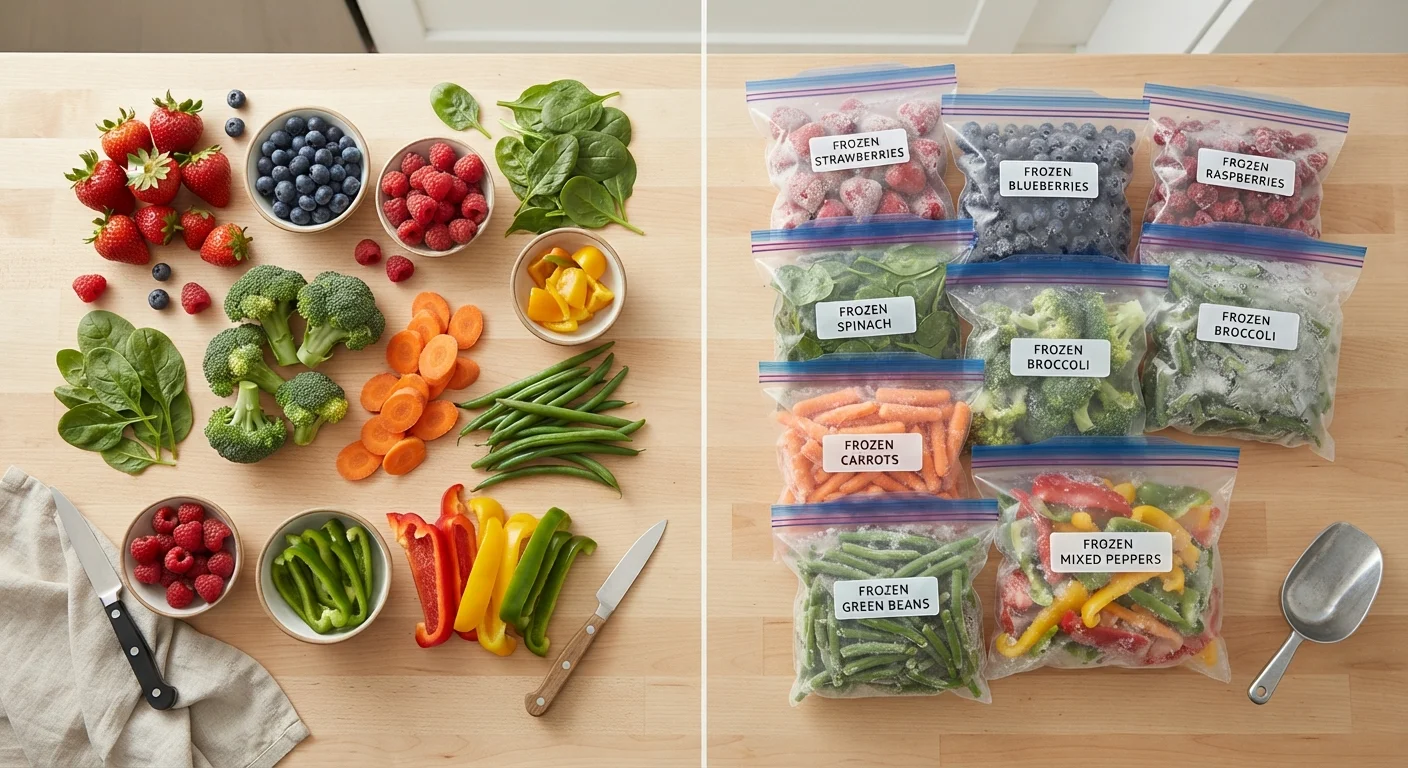
Frozen vegetables are typically frozen within hours of harvest, locking in nutrients that can degrade during transit and storage of fresh produce.
Research published in food science literature has found that frozen vegetables often match or exceed fresh produce in certain vitamins, particularly water-soluble ones like vitamin C and folate, because the freezing process halts degradation. Fresh vegetables that travel long distances or sit in storage lose nutrients over time. Frozen options cost less per serving and generate less waste because unused portions stay frozen. Frozen vegetables alongside whole grains and legumes form a nutritionally strong and budget-friendly foundation.
Myth
Plant-based proteins are hard to cook with and do not provide enough protein for an active family.
Fact
Lentils, canned chickpeas, black beans, and tofu all deliver substantial protein per serving and cost far less than most cuts of meat.
Dried lentils typically cost under two dollars per pound and provide roughly 18 grams of protein per cooked cup, along with fiber and iron. Canned beans cost even less per meal when purchased in bulk. These foods also store for months, reducing spoilage costs. Combining plant proteins across a day, such as beans with rice or lentils with whole grain bread, covers the full range of essential amino acids without requiring expensive animal protein at every meal.
Myth
Whole grains cost more than refined grains, making the healthier choice the pricier one.
Fact
Many whole grains, including oats, brown rice, and barley, are among the least expensive foods per serving in any grocery store.
A large container of rolled oats costs roughly two to four dollars and provides dozens of servings with meaningful amounts of fiber, B vitamins, and minerals. Brown rice sold in bulk or standard bags costs about the same as white rice at most stores. The perception that whole grains are expensive often comes from branded, packaged products, not from the grains themselves. Buying whole grains in simple, unprocessed form keeps costs low. For a fuller picture of how these foods fit together, see the affordable nutrition trio of whole grains, legumes, and frozen vegetables.
Myth
Cooking healthy meals from scratch takes too much time and is not realistic for busy families.
Fact
Simple, nutritious meals built on pantry staples can come together in 30 minutes or less, especially with basic meal prep habits in place.
A pot of lentil soup, a grain bowl with canned beans and frozen vegetables, or scrambled eggs with whole grain toast are all genuinely quick to prepare and nutritionally complete. Dedicating an hour or two on a weekend to cook grains, wash produce, or portion ingredients reduces weekday cooking time significantly. Basic cooking techniques also reduce the learning curve for households newer to cooking from scratch. Proper food storage extends ingredient life, and food storage myths that cost money explains common errors that lead to unnecessary waste.
Building a realistic affordable plate
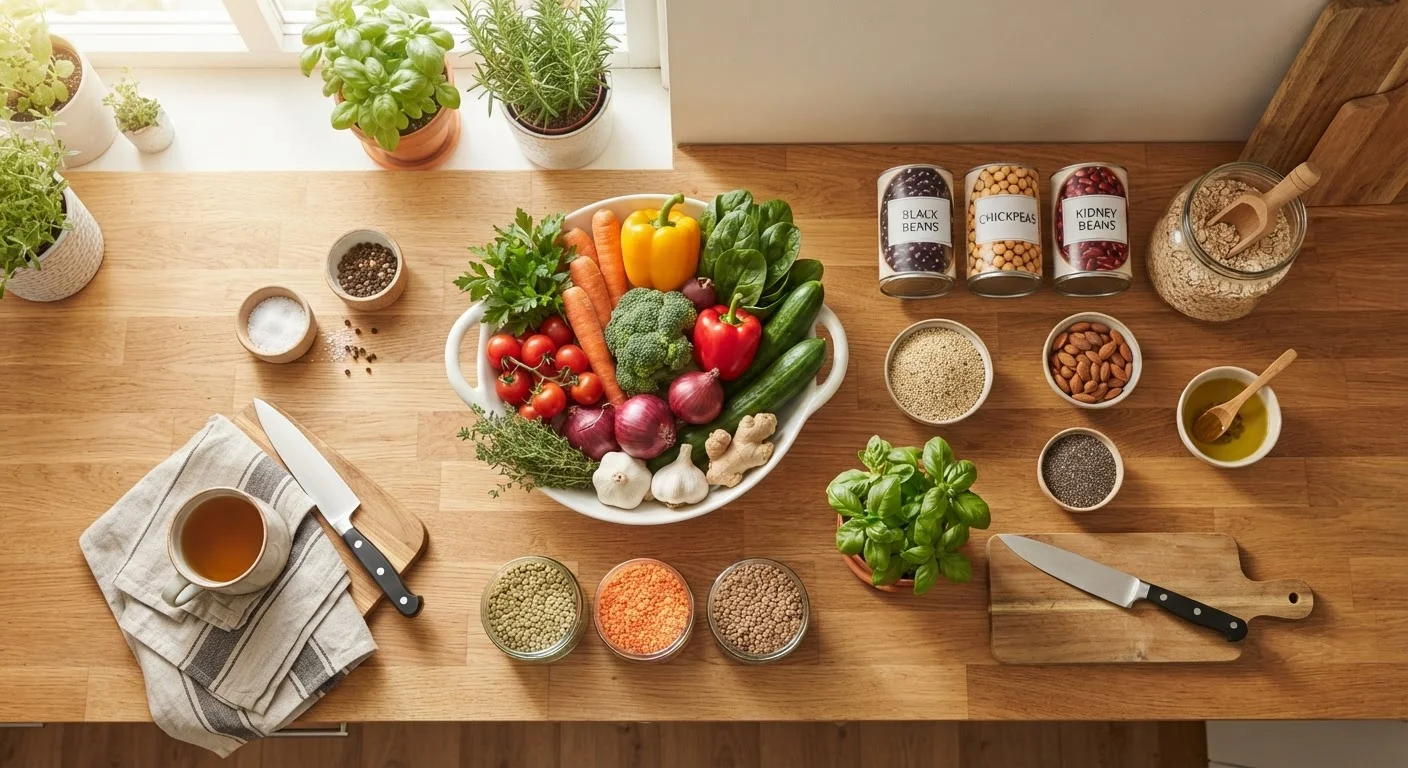
Once the most common myths are set aside, it becomes easier to see that a nutritious plate can be assembled from inexpensive staples. Dried or canned legumes, oats, brown rice, eggs, frozen vegetables, and canned fish form the foundation of countless balanced meals. For a closer look at how those protein sources compare on both cost and nutrition, see protein sources by cost and nutrition.
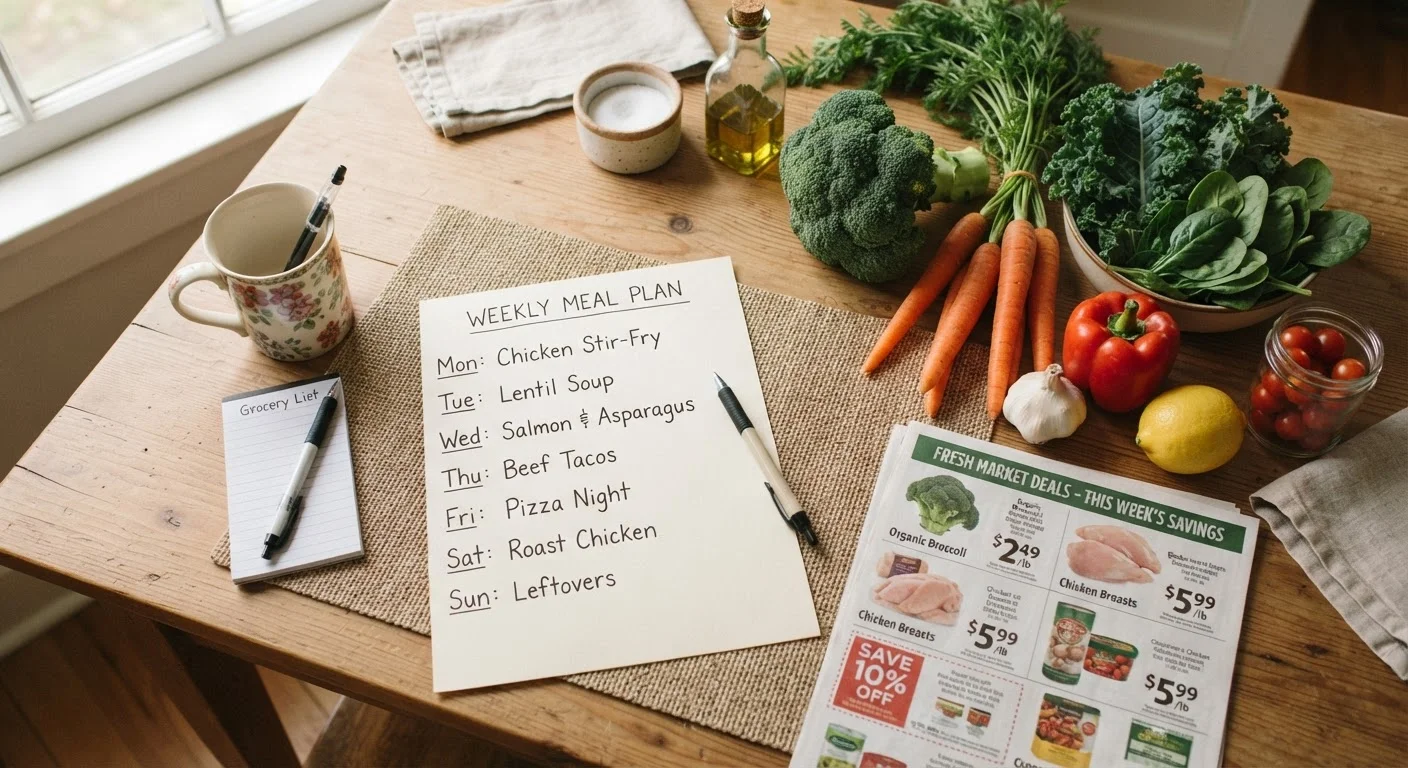
Planning meals before shopping is one of the most direct ways to reduce spending without reducing nutritional quality. Buying only what a household will use in a given week limits waste, and a stocked pantry reduces the temptation to reach for costly convenience options. Our meal prep basics hub covers practical ways to make that habit work across a busy week.
Families who want a more comprehensive starting point can read eating well on a tight grocery budget, which walks through actionable strategies for feeding a household nutritiously without financial strain. For specific pantry items worth keeping on hand, pantry staples for healthy low-cost cooking provides a practical reference list grounded in cost and nutritional value.
This article is for general informational purposes only and is not medical or dietary advice. Consult a qualified healthcare professional or registered dietitian for guidance specific to your health needs.