
Why your trash can is full of usable food
The average American household throws out a significant portion of the produce it buys, often before the outer leaves, stems, tops, or cores ever reach a pot. Much of that discarded material has the same fundamental chemistry as the parts we eat: water, fiber, natural sugars, and aromatic compounds that carry flavor. Getting into the habit of saving specific scraps costs nothing and can reduce your weekly grocery needs in small but real ways.
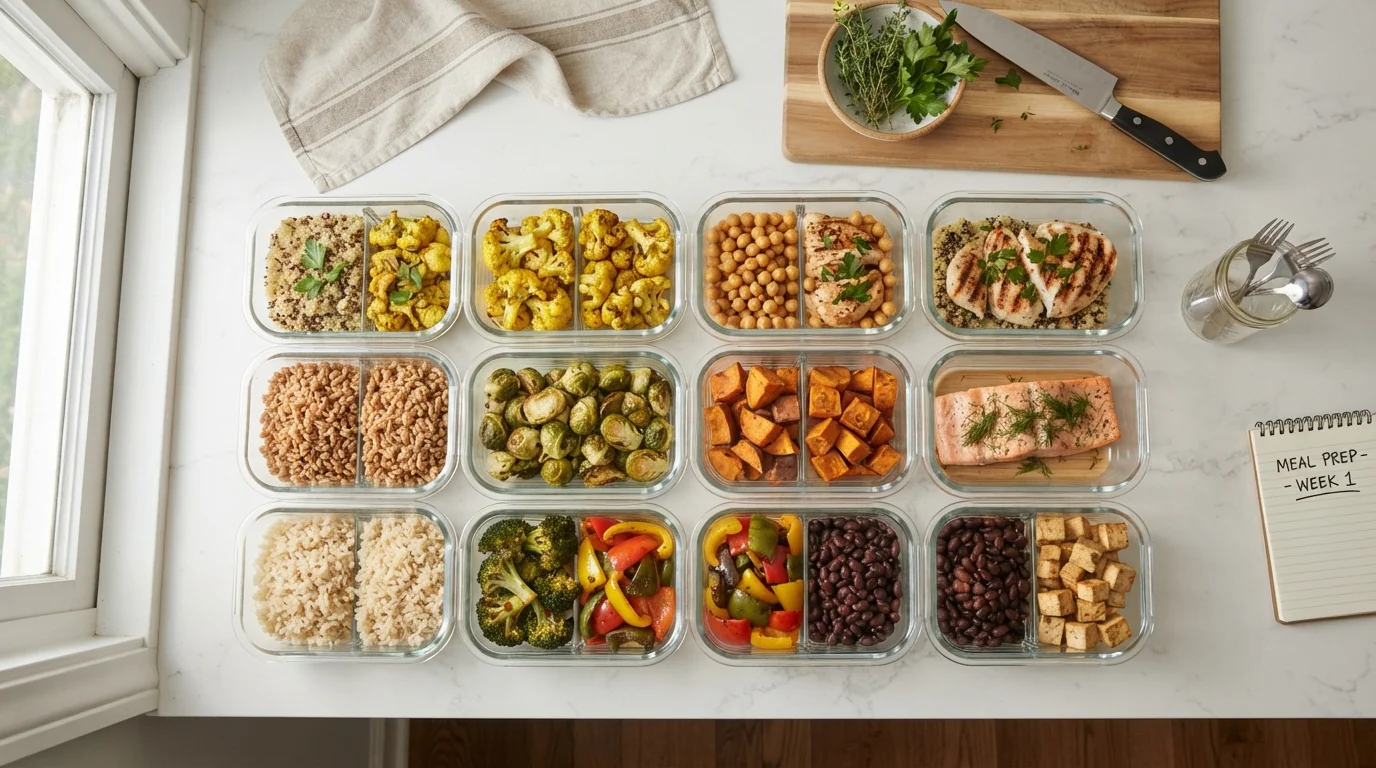
If you already practice batch cooking on Sundays, a scrap container in your freezer fits naturally into that workflow. Toss trimmings in a zip-top bag as you cook during the week, and by the following weekend you have the base of a free stock. The list below covers the scraps most worth saving and what to actually do with each one.
Start a scrap bag this week
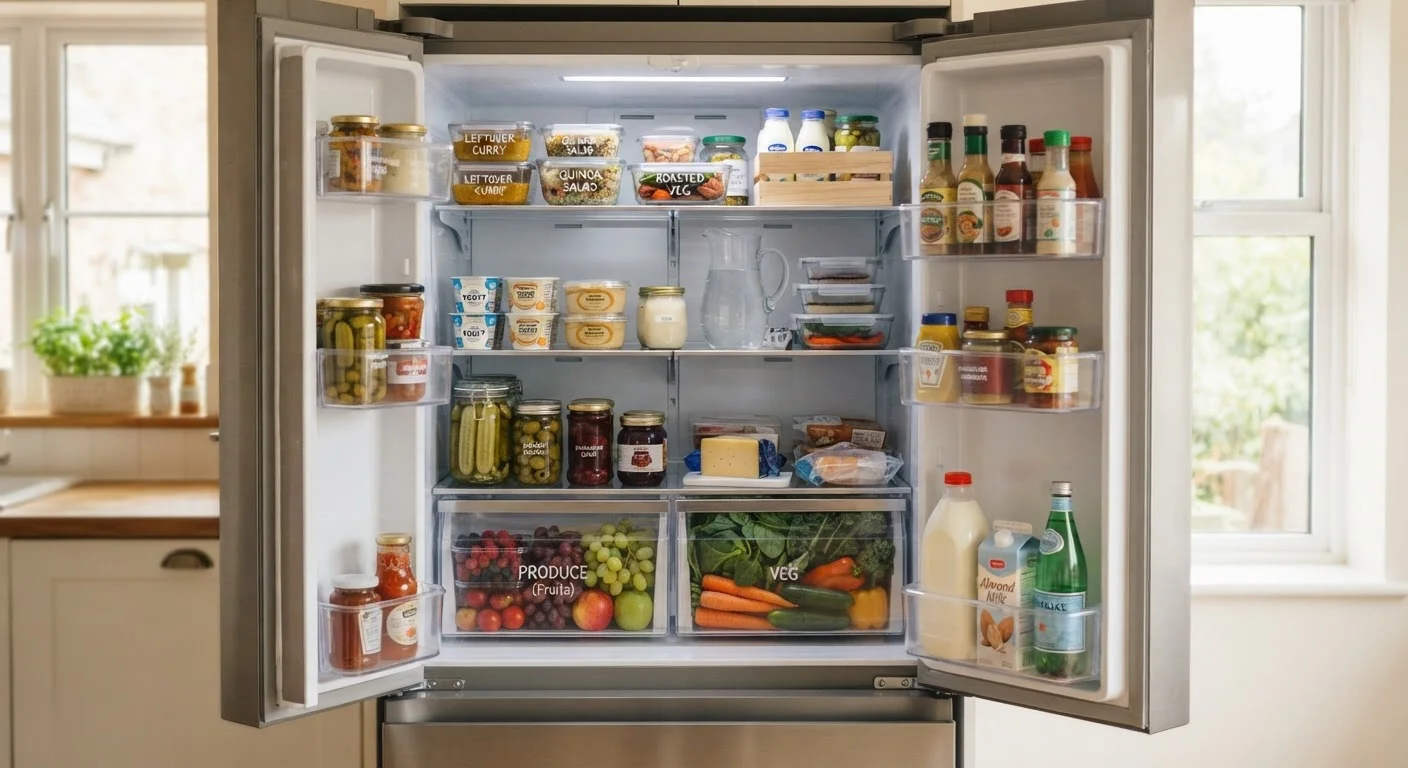
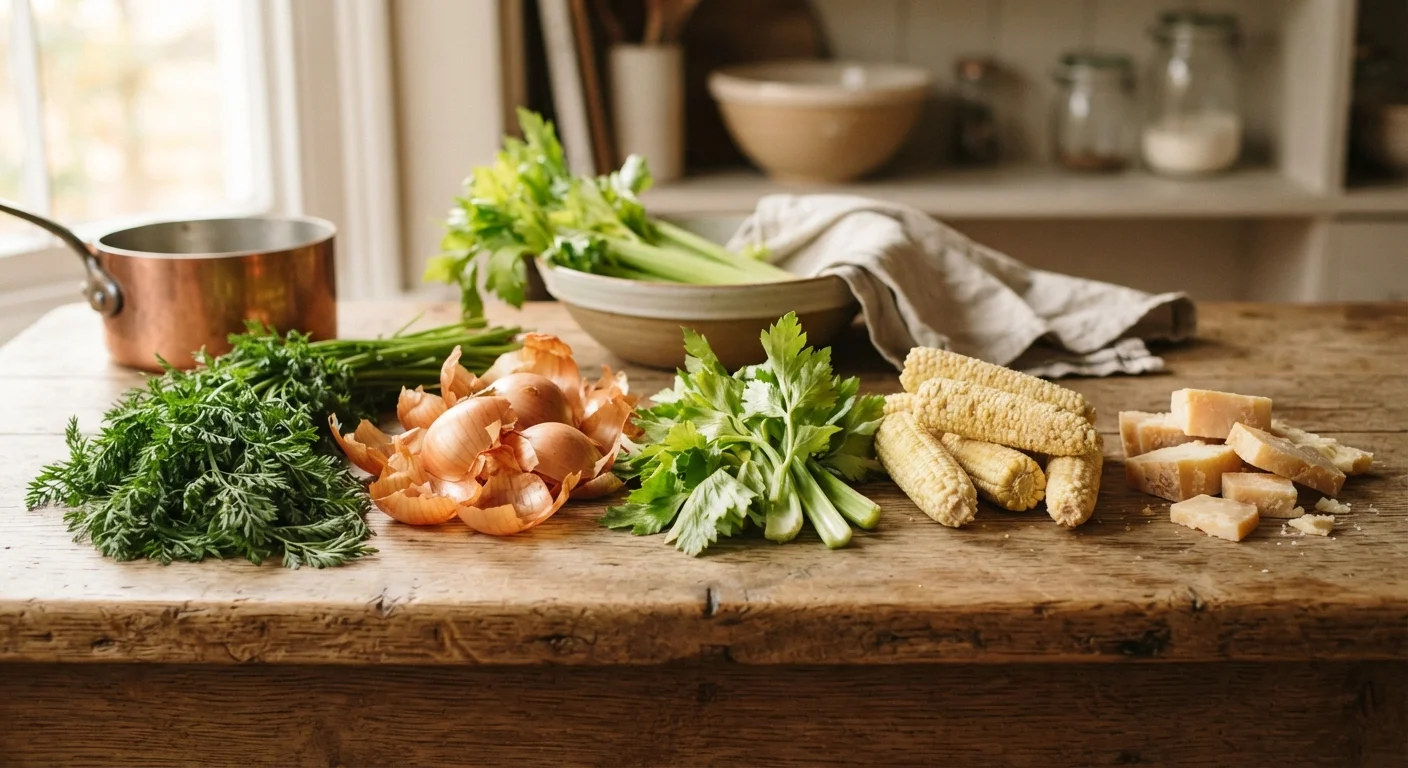
Keep a labeled zip-top bag in your freezer and add clean vegetable trimmings as you cook each night. Onion skins, carrot tops, celery ends, and herb stems all work. When the bag is full, you have everything you need for a free pot of broth. Rinse scraps before freezing to avoid off flavors from surface residue.
Scraps that earn a spot in your freezer bag
Onion and garlic skins
Papery onion skins and loose garlic wrappers are among the most flavor-dense scraps in any kitchen. They contain the same sulfur compounds and sugars that give the bulbs their savory character. When simmered in water, they release a rich amber color and a sweet, slightly sharp depth that makes plain vegetable broth taste considerably more complex.
Rinse skins briefly before adding them to your scrap bag since they can carry surface dirt. Avoid skins that are moldy or very dry and dusty, as those add bitterness without flavor payoff.
Onion skins give homemade broth its deep amber color and savory depth for free.
Carrot tops
Carrot greens are edible and mildly bitter, with a herbaceous flavor somewhere between parsley and celery leaf. They work well blended into a simple chimichurri-style sauce with olive oil, garlic, lemon juice, and salt, or chopped finely and stirred into scrambled eggs or frittatas. Because the bitterness is real, use them alongside other greens or fat to balance the taste rather than as a standalone salad green.
If the tops are wilted when you get home from the store, stand them in a small glass of cold water for 20 minutes to revive them before using.
Carrot tops blend into a quick herb sauce that works on grilled meat or roasted vegetables.
Celery leaves and the base end
The pale inner leaves at the top of a celery bunch are more intensely flavored than the stalks, not less. They bring a concentrated celery flavor to soups, grain salads, and sauteed greens without adding bulk. The fibrous base where all the stalks meet can go straight into your broth bag: it holds a lot of flavor and softens completely during a long simmer.
Dried celery leaves also make a reasonable substitute for dried herbs in seasoning blends. Spread them on a baking sheet and dry them in an oven set to 200 degrees Fahrenheit for about an hour, then crumble into a jar.
Celery leaves have more concentrated flavor than the stalks and dry well as a seasoning.
Corn cobs
After stripping fresh corn kernels for a recipe, the bare cob still holds sweetness in its fibrous interior. Simmering cobs in water for 30 to 40 minutes produces a naturally sweet, light broth that works particularly well as the cooking liquid for rice, polenta, or a corn chowder base. Two or three cobs are usually enough to flavor a quart of water noticeably.
Corn cob broth is milder than vegetable stock, so it suits dishes where you want sweetness without a strong savory note. It freezes well for up to three months.
Corn cob broth is sweet and light, making it a natural base for rice or corn chowder.
Parmesan rinds
Parmesan rinds do not melt, but they do release glutamates into any liquid they are simmered in. Glutamates are naturally occurring compounds responsible for savory, umami flavor. Dropping one rind into a pot of minestrone, bean soup, or tomato sauce and pulling it out before serving adds a depth that is difficult to achieve otherwise without extra salt or stock.
Rinds keep for several weeks wrapped tightly in the refrigerator, or indefinitely in the freezer. This is one of the simplest scrap uses because it requires no prep: just save the rind when the block runs out.
One Parmesan rind simmered in soup adds umami depth that is hard to replicate with seasoning alone.
Broccoli and cauliflower stems
The dense stems sold attached to broccoli and cauliflower heads are often trimmed and discarded, but they have the same nutritional profile as the florets. Peeling the tough outer layer reveals a tender, mild interior that roasts well, slices into stir-fries, or shreds for a simple slaw. Cut stems into coins or matchsticks, toss with oil and salt, and roast at 425 degrees Fahrenheit for 20 to 25 minutes until the edges caramelize.
For families already meal-prepping proteins, see how batch-cooking chicken, beans, and eggs pairs with roasted stems as a ready-to-use side through the week.
Peeled broccoli stems roast into a caramelized side dish with the same nutrition as the florets.
Putting it all together
Once your freezer bag is full, cover the scraps with cold water in a large pot, bring to a gentle simmer, and cook for 45 to 60 minutes. Strain, season lightly, and use the broth within five days or freeze it in two-cup portions. That liquid can replace water in rice, grains, or soups throughout the week, adding flavor with zero extra cost.
For families already working to get more out of their proteins, pairing scrap-based broth with strategies like stretching one chicken across multiple meals makes the grocery budget go further on both fronts. The scraps listed here are a starting point. Once you get comfortable saving carrot tops and onion skins, you will naturally start noticing other trimmings worth a second look before they hit the trash.