
Why storage myths cost real money
American families throw away a significant share of the food they buy, and a large portion of that waste traces back to storage habits built on guesswork rather than fact. When bread goes stale on the counter because someone refrigerated it instead, or a bag of spinach turns slimy three days early because it shared a drawer with apples, those losses add up over a month of grocery bills.
Correcting a few deeply ingrained myths does not require new equipment or extra time. It mostly requires knowing what actually happens to food at different temperatures and in different conditions. The myth-and-fact pairs below cover the most common mistakes home cooks make, along with the reasoning behind each correction.
Myth
Refrigerating bread keeps it fresh longer.
Fact
Cold temperatures accelerate starch retrogradation, making bread stale faster in the refrigerator than on the counter.
Bread stored in a refrigerator goes stale more quickly because the cool, dry air speeds up the process by which starch molecules re-crystallize and firm up. Room temperature, wrapped or in a bread box, is the correct environment for bread you plan to eat within two to four days. For anything beyond that window, slice and freeze it instead. Frozen bread thawed at room temperature or toasted directly from the freezer retains texture far better than bread that spent a week in the fridge.
Myth
Once food is frozen, it is safe to eat indefinitely.
Fact
Freezing pauses bacterial growth but does not stop quality loss; most frozen foods are best consumed within one to three months.
A freezer set at 0 degrees Fahrenheit prevents microbial activity, so frozen food does not spoil in the conventional sense. However, ice crystals form and damage cell structure over time, fats oxidize, and flavors degrade. The USDA publishes general guidelines suggesting that cooked meats and casseroles maintain best quality for two to three months, while raw poultry can hold for up to nine months. Eating food beyond these windows is unlikely to cause illness, but the texture and taste will have noticeably declined.
Myth
Storing all produce together in the crisper drawer keeps everything fresh.
Fact
Many fruits release ethylene gas that speeds ripening and decay in nearby vegetables.
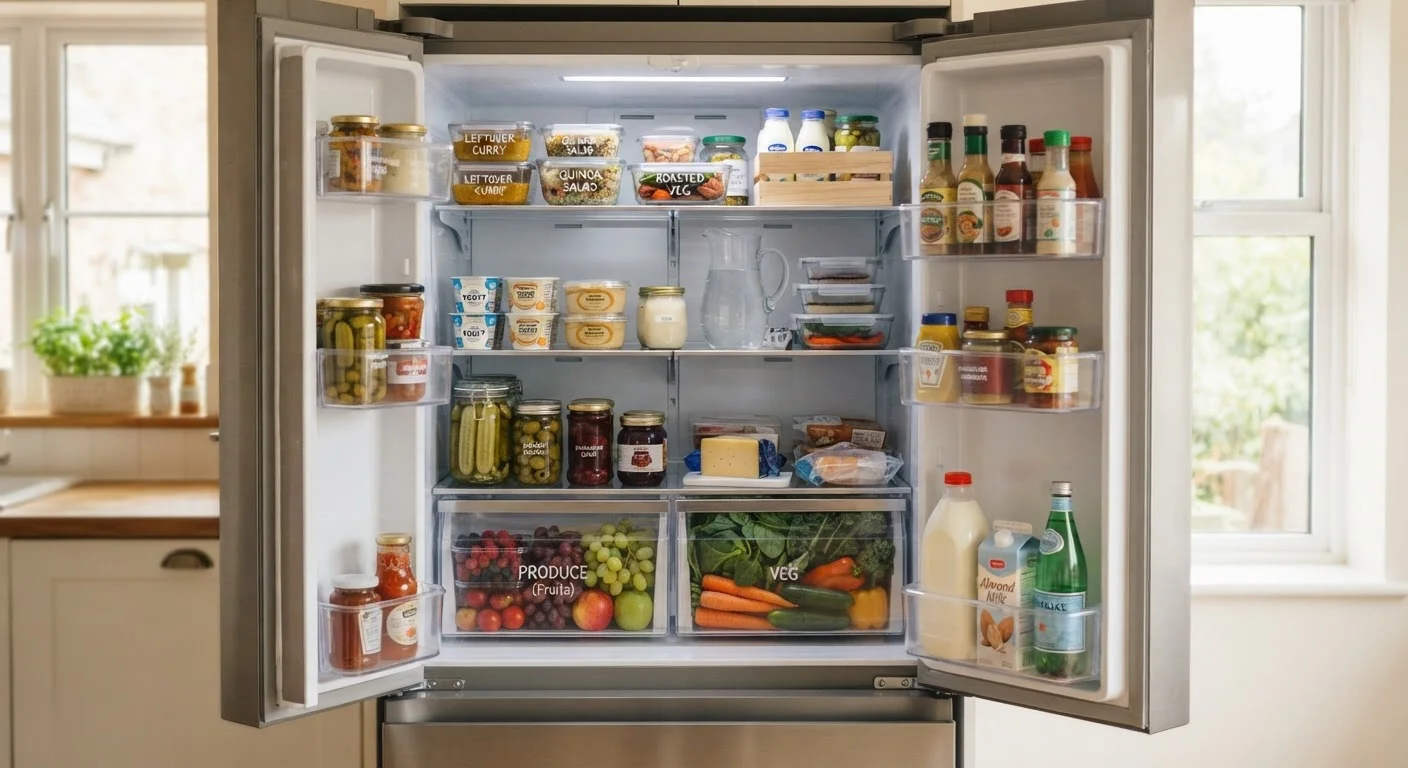
Apples, pears, peaches, and avocados produce ethylene as they ripen. When stored next to ethylene-sensitive vegetables like leafy greens, broccoli, or cucumbers, that gas causes faster yellowing and wilting. The practical fix is to use two separate crisper zones: one for fruits and one for vegetables. If your refrigerator has only one drawer, a zip bag or produce bag creates enough of a barrier to slow ethylene transfer. Fresh versus frozen produce is worth considering when fresh items repeatedly spoil before use.
Myth
Leftovers are fine in the refrigerator for up to a week.
Fact
Most cooked leftovers are safe for three to four days when properly stored, not seven.
The USDA recommends consuming refrigerated cooked leftovers within three to four days. After that point, even food that looks and smells normal may carry enough bacterial load to cause illness. The two-hour rule matters here too: cooked food left at room temperature for more than two hours enters the temperature range where bacteria multiply rapidly. Transfer leftovers to shallow, airtight containers promptly so they cool faster and maintain safe temperatures throughout. If you know a dish will not be eaten within four days, freeze a portion on day one rather than waiting.
Myth
Eggs must be used by the date printed on the carton.
Fact
Properly stored eggs are typically safe to eat three to five weeks past purchase, well beyond the carton date.
Carton dates are often "sell by" or "best by" dates set by the producer, not hard safety cutoffs. Eggs stored on an interior refrigerator shelf, where temperature is stable, rather than in the door where it fluctuates every time the fridge opens, stay fresh considerably longer. A simple float test helps assess freshness: a fresh egg sinks flat on its side in water, while an older but still usable egg stands upright. An egg that floats should be discarded. Keeping eggs in their original carton protects them from absorbing refrigerator odors through the porous shell.
Myth
Washing produce right after buying it makes it last longer.
Fact
Washing produce before storage introduces moisture that promotes mold and bacterial growth.
Pre-washing berries, leafy greens, and herbs before refrigerating them speeds deterioration rather than preventing it. The added surface moisture creates conditions where mold spreads faster. Wash produce immediately before use instead. The one practical exception is heartier root vegetables like carrots or beets, which can be scrubbed and stored in water in the refrigerator without harm. For herbs, treat them like cut flowers: trim the stems, place them in a small jar of water, cover loosely with a bag, and refrigerate. This method extends fresh herb life by one to two weeks compared to throwing them loose in a drawer.
Putting better storage into practice
Knowing the facts is only useful if the habits follow. A practical starting point is to designate specific zones in your refrigerator: keep ready-to-eat items and leftovers on upper shelves where temperatures are most stable, store raw meat on the lowest shelf to prevent drips, and use the crisper drawers correctly by setting one to high humidity for leafy greens and one to low humidity for fruits that release ethylene gas.
Your freezer can do more work than most families ask of it. Bread, cooked grains, par-baked dough, and surplus produce all freeze well when sealed properly. See our guide to using your freezer as a meal planning tool for a practical rotation system that prevents freezer-burn waste.
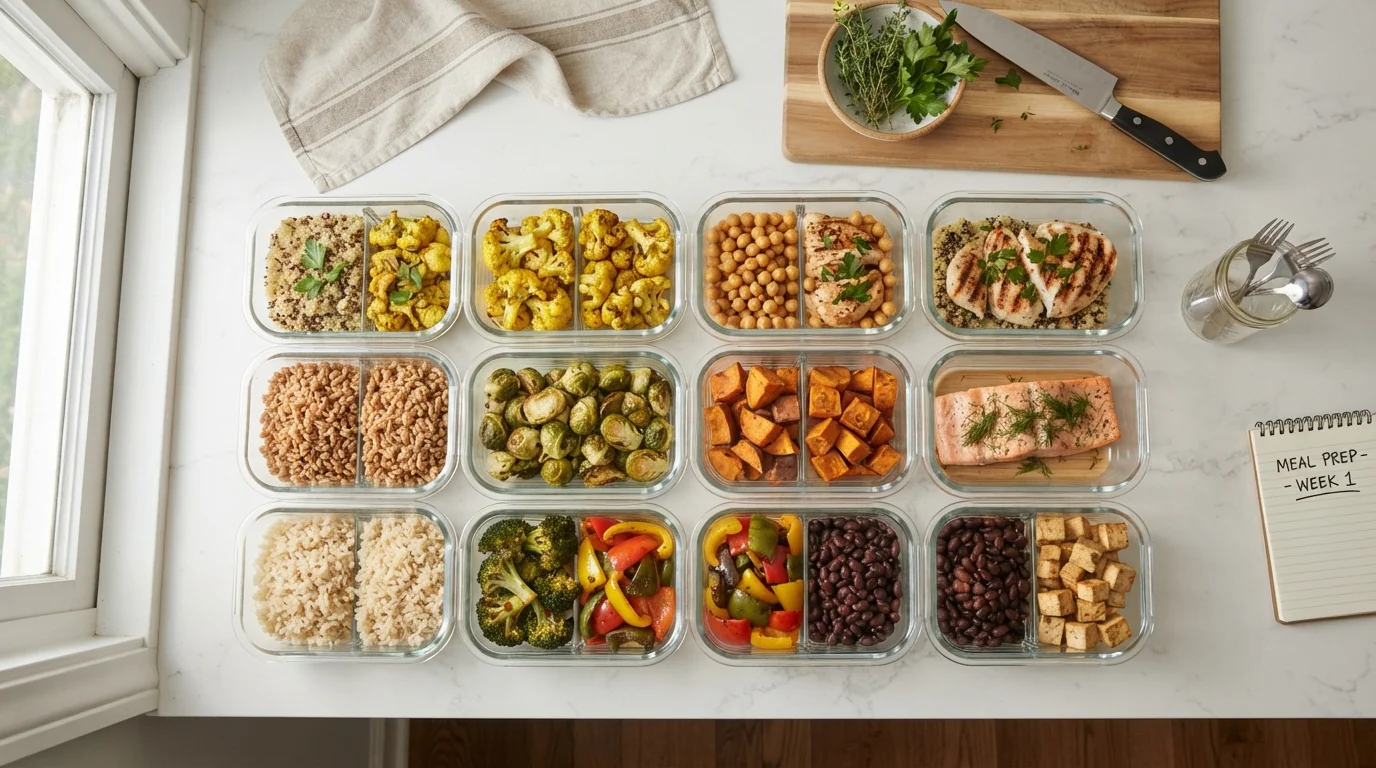
For leftovers specifically, container choice matters as much as timing. Choosing the right storage container affects how long food stays safe and palatable. Glass jars create a genuine airtight seal and resist odor absorption; thin zip bags are prone to micro-tears that let air in. For a full reference on how long specific prepped foods actually last, the safe storage times guide lists common staples with realistic timelines rather than overly conservative estimates.
Small corrections to storage habits compound quickly. A family that stops refrigerating bread, separates ethylene-producing fruit from vegetables, and transfers leftovers to airtight containers within two hours of cooking will typically find that produce lasts several days longer and fewer meals get thrown out. That directly reduces the frequency and size of grocery runs without changing what anyone eats.