
What beginner bakers actually need
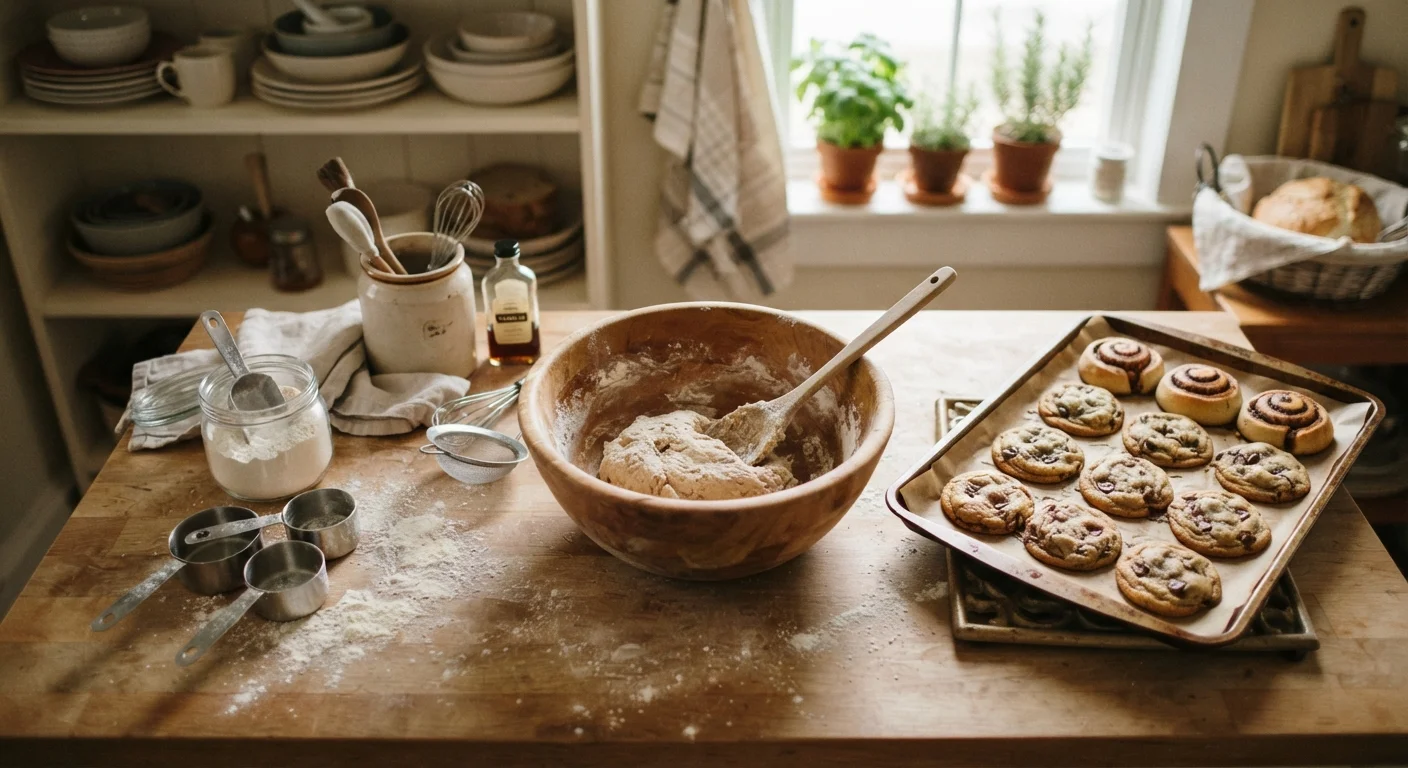
The list of baking tools gets exaggerated fast. For most beginner sweet recipes, you need a large mixing bowl, a whisk, a rubber spatula, dry and liquid measuring cups, and an 8x8 or 9x13 baking pan. A standard muffin tin and a sheet pan each open up a wide range of recipes at low cost. That is the honest short list.
A kitchen scale is genuinely useful for accurate flour measurement, though not required to start. If you do not have one, the spoon-and-level method works well: spoon flour into your measuring cup and sweep a straight edge across the top. Scooping directly from the bag compresses the flour and throws off ratios.
Skip specialty pans, silicone molds, and gadgets until you know which recipes you return to. The cooking tips section covers broader kitchen fundamentals that apply here too, and building those habits before adding equipment saves real money.
Leavening agent
An ingredient that produces gas bubbles in batter or dough, causing it to rise. Baking powder and baking soda are the most common examples in home baking.
Gluten
A protein network that forms when flour is mixed with water. It gives baked goods their structure, but too much mixing makes the final texture tough.
Quick bread
A bread leavened with baking powder or baking soda rather than yeast, so it does not need time to rise. Banana bread and muffins are common examples.
Creaming
The process of beating fat and sugar together until the mixture is light and fluffy. It traps air that helps cookies and cakes rise during baking.
Spoon-and-level method
A way to measure flour accurately by spooning it into a measuring cup and sweeping a straight edge across the top, rather than scooping from the bag, which packs in too much.
Building a budget-friendly baking pantry
A practical beginner pantry for sweet baking rests on about eight items: all-purpose flour, granulated sugar, brown sugar, baking powder, baking soda, salt, eggs, and a neutral oil like vegetable or canola. Vanilla extract adds flavor at low cost per use. These ingredients combine across dozens of recipes.
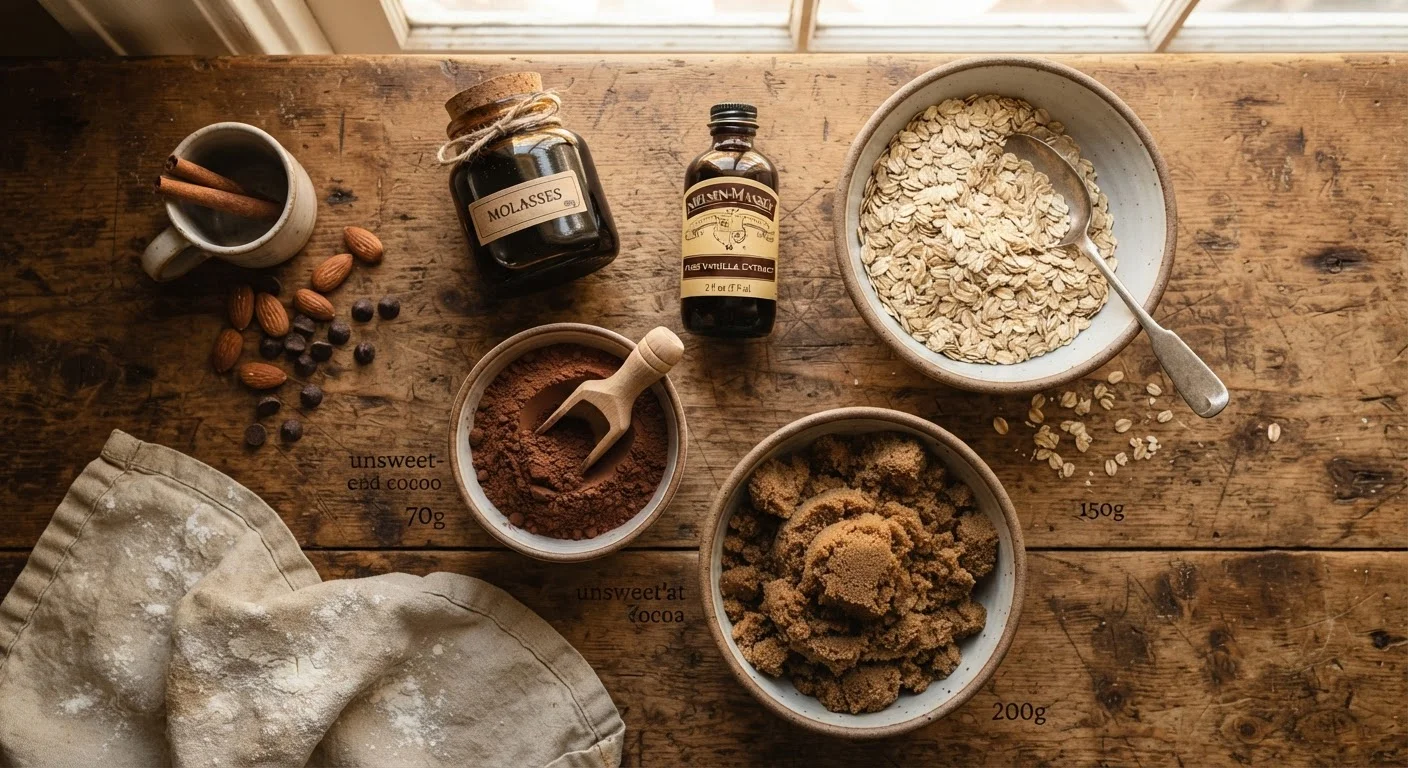
Brown sugar is just granulated sugar with molasses added back in, and you can make your own by mixing one tablespoon of molasses into one cup of granulated sugar. That one fact alone saves a separate purchase. For more on flavor-forward pantry staples that stay affordable, see affordable baking ingredients that punch above their weight.
Buying flour and sugar in larger bags costs less per ounce than smaller sizes, provided you have dry, sealed storage. Eggs stay fresh for several weeks when refrigerated, so buying a larger carton is usually worth it if your household bakes regularly or you are batch cooking on a Sunday.
Affordable swaps that work
Butter is one of the pricier baking staples. In muffins, quick breads, and many cakes, you can replace it with an equal volume of unsweetened applesauce or about three-quarters the volume of neutral oil. The texture will be slightly different but still tender and moist. Cookies generally need at least some fat for structure, so full substitution works less reliably there.
Buttermilk, which some recipes call for, is simple to approximate. Add one tablespoon of white vinegar or lemon juice to one cup of regular milk and let it sit for five minutes. The slight acidity it creates reacts with baking soda the same way true buttermilk does.
If a recipe calls for two eggs and you are short, one egg plus two tablespoons of plain yogurt often works in quick breads and simple cakes. These swaps do not work in every recipe, but they cover enough ground to reduce grocery trips. The article on pantry desserts from everyday staples takes this thinking further with full recipes built around what you likely already have.
Make your own simple swaps list
Write the three or four substitutions you use most often on an index card and tape it inside a cabinet door near your mixing area. Having the ratios visible means you can adapt a recipe mid-bake without losing your place or second-guessing the amounts. It takes two minutes and removes a lot of friction.
Three foundational sweet recipes to start with
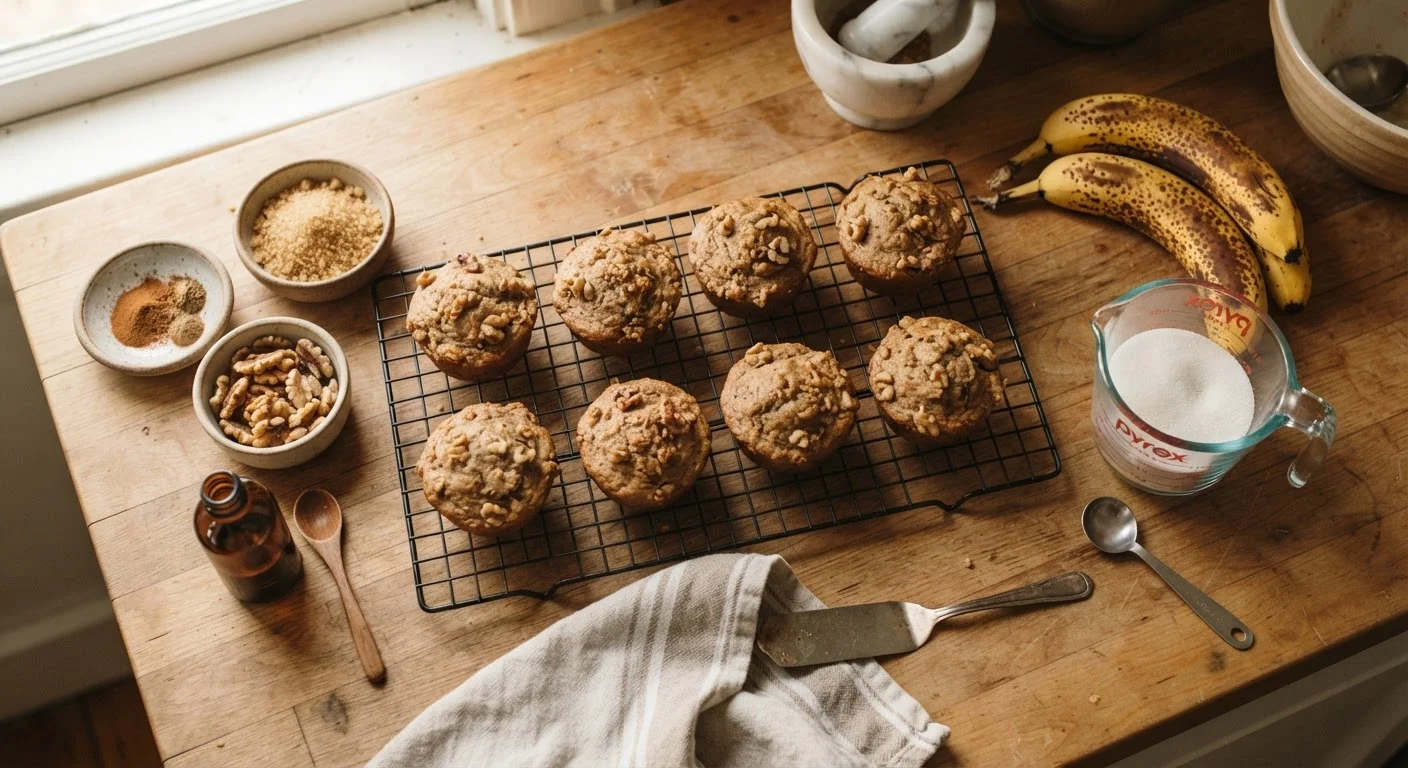
Banana bread is recipe one. Overripe bananas are often discounted at grocery stores and are sweeter than fresh ones. The recipe uses one bowl, no special technique, and the result is forgiving even if your oven runs slightly hot or cool.
Simple drop cookies are recipe two. A basic sugar cookie or oatmeal cookie requires only pantry staples and teaches you how dough should feel, how to space cookies on a sheet, and what the difference looks like between underbaked and properly set. If your cookies spread too flat, understanding why cookies spread too thin explains the mechanics clearly.
A single-layer cake or snack cake is recipe three. An 8x8 pan of plain yellow cake or chocolate cake made with cocoa powder (which costs less than chocolate bars) introduces you to mixing order and doneness cues without the pressure of a layered presentation. Once you are comfortable with these three, fruit cobblers, crisps, and crumbles are a natural and affordable next step.
Common beginner mistakes and how to avoid them
Opening the oven door too early is the most common error. Heat escapes, and cakes and quick breads that are still setting can collapse in the center. Check through the oven window until the minimum time stated in the recipe has passed.
Expired leavening agents cause flat, dense results. Baking powder older than about 12 months may not produce enough gas to lift your batter. Test it by dropping a teaspoon into hot water: it should bubble vigorously. If it does not, replace it before baking.
Overmixing develops gluten in the flour, which makes breads and cakes tough rather than tender. For most quick breads and cakes, stop mixing as soon as the dry streaks disappear. A few small lumps are fine. This is one of those counterintuitive points that makes a real difference in results. For guidance on reducing sugar without losing the texture you worked for, baking with less sugar without losing flavor is a practical follow-up once you have a few batches under your belt.