
Why cutting sugar is harder than it looks
Sugar is not just a sweetener inside a baked good. It holds onto moisture, controls how much a cookie spreads, feeds browning through caramelization, and creates the tender crumb in a quick bread. Reduce it carelessly and you can end up with a dry, pale, oddly dense result that nobody wants to eat twice.
The good news: sugar is rarely needed at the full amount most recipes call for. Many classic home-baking recipes were written for maximum sweetness rather than balanced flavor. That leaves real room to work with, and the savings add up when you bake regularly. For a broader picture of how added sugar fits into everyday family meals, see practical strategies for reducing added sugar in family meals.
Flavor amplifiers that cost almost nothing
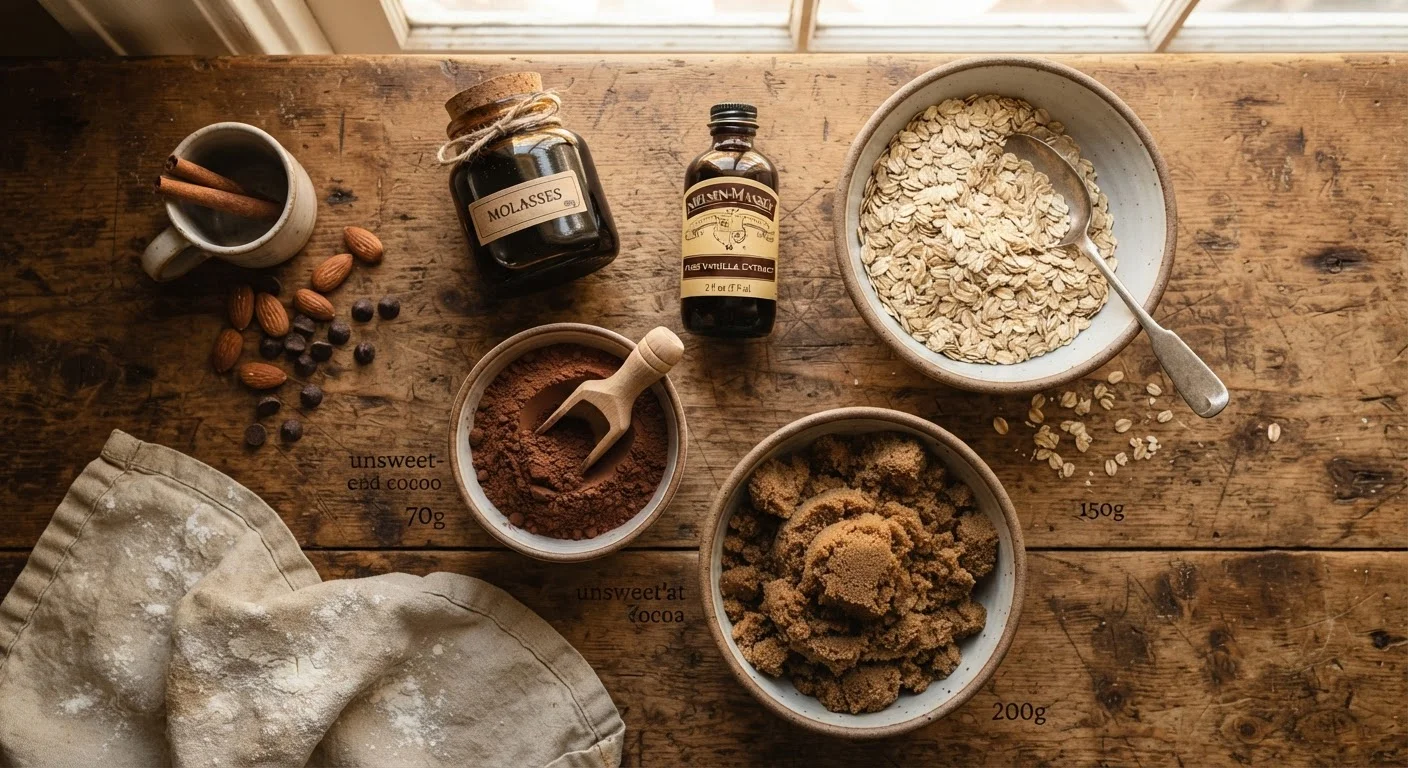
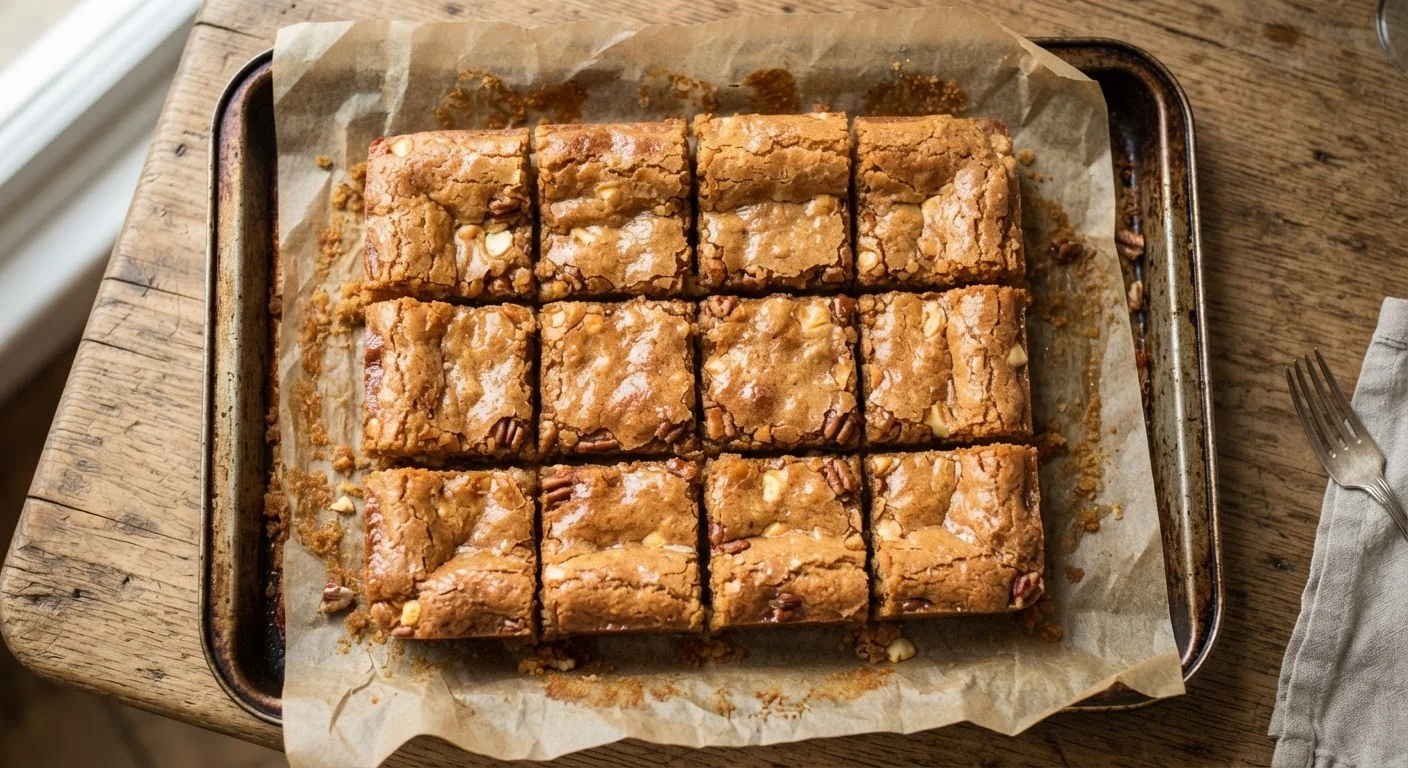
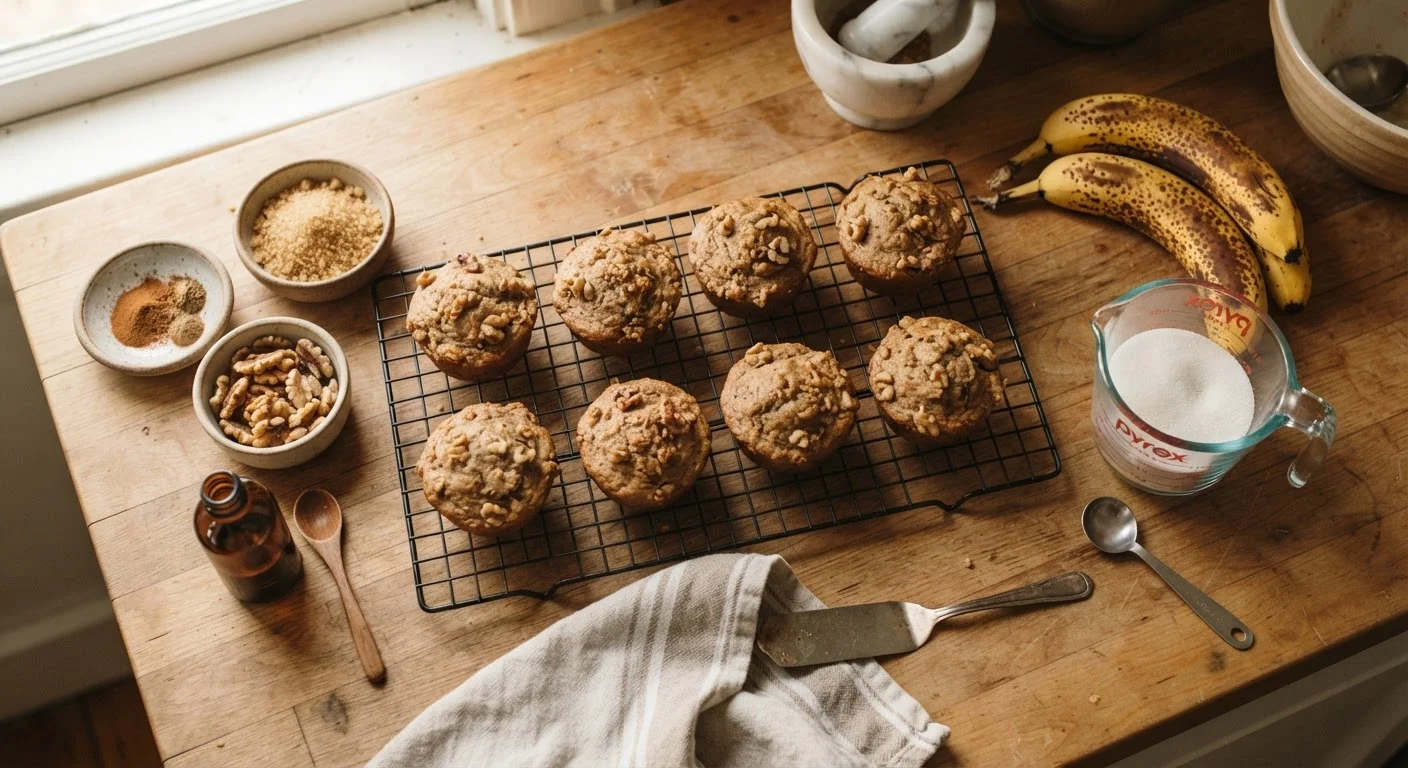
When you pull sugar back, flavor has to come from somewhere else. The most affordable tools are already in most pantry shelves. A half-teaspoon of cinnamon deepens the sweetness of a banana bread even when you have dropped the sugar by a quarter cup. A small amount of unsulfured molasses in a chocolate brownie batch adds bittersweet depth that makes the remaining sugar taste more present. Pure vanilla extract, used generously, tricks the palate into reading a dessert as sweeter than it measures.
Fresh or frozen fruit is another cost-effective route. Mashed ripe bananas, unsweetened applesauce, or pureed dates add natural sugar alongside fiber, which slows the sweetness hit and makes it feel more satisfying. Affordable ingredients that punch above their weight in baking covers many of these staples in detail.
Structural adjustments when you lower the sugar
Reducing sugar by more than 25% without any compensation usually changes the bake in ways that matter. Here is how to keep things on track.
Moisture: Sugar is hygroscopic, meaning it draws water into the crumb. Cut it significantly and your muffins dry out faster. Add a tablespoon or two of plain yogurt, sour cream, or an extra egg yolk to restore that moisture without sweetening the batter.
Browning: Less sugar means a paler crust. If you want that golden color, brush the top of loaves or muffins with a thin wash of milk before baking. The milk proteins brown in the oven's heat regardless of sugar level.
Spread in cookies: Sugar melts as it bakes and pulls cookie dough outward. Lower-sugar cookies tend to be puffier and cakier. If your family prefers thin, chewy cookies, a small addition of honey or brown sugar (even when the total sugar is still reduced) preserves that spread. For more on the science behind cookie shape, why your cookies keep spreading too thin is worth reading.
Building a long-term low-sugar baking habit
The most practical approach is gradual reduction. In any recipe you make regularly, cut the sugar by 10% on the first bake, then 15% on the second, then 25% if the earlier results worked well. Most families adapt without noticing the change when it happens in small steps.
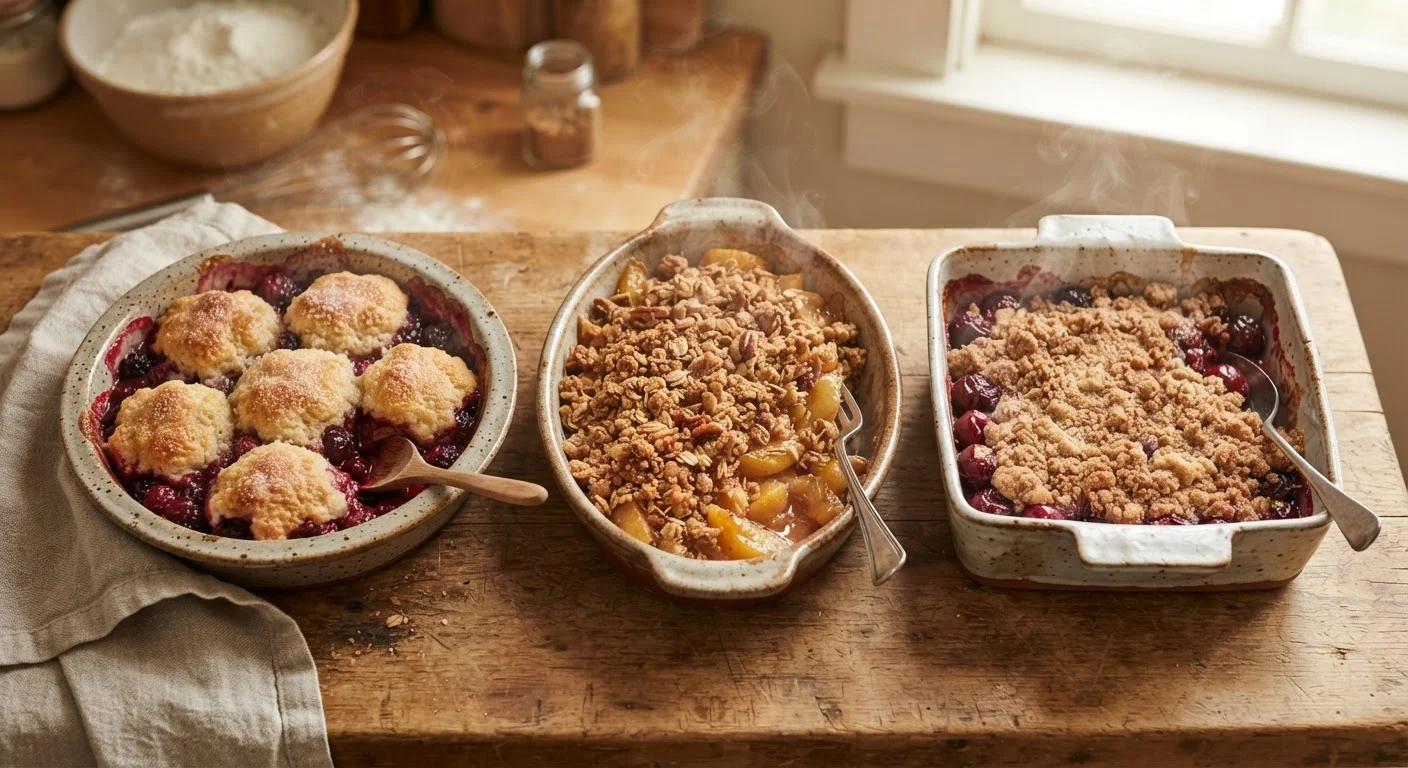
Desserts built around fruit are a natural fit for this approach because the fruit itself supplies sweetness. Cobblers, crisps, and crumbles use ripe seasonal or frozen fruit as a base, which means the topping needs far less added sugar to taste balanced. Fruit cobblers, crisps, and crumbles breaks down how each one is structured and how to build the topping efficiently. When you want to expand beyond baked desserts entirely, pantry desserts from everyday staples shows how to work with what is already in the cupboard.