
Why the cheapest shelf stays closest to the mixer
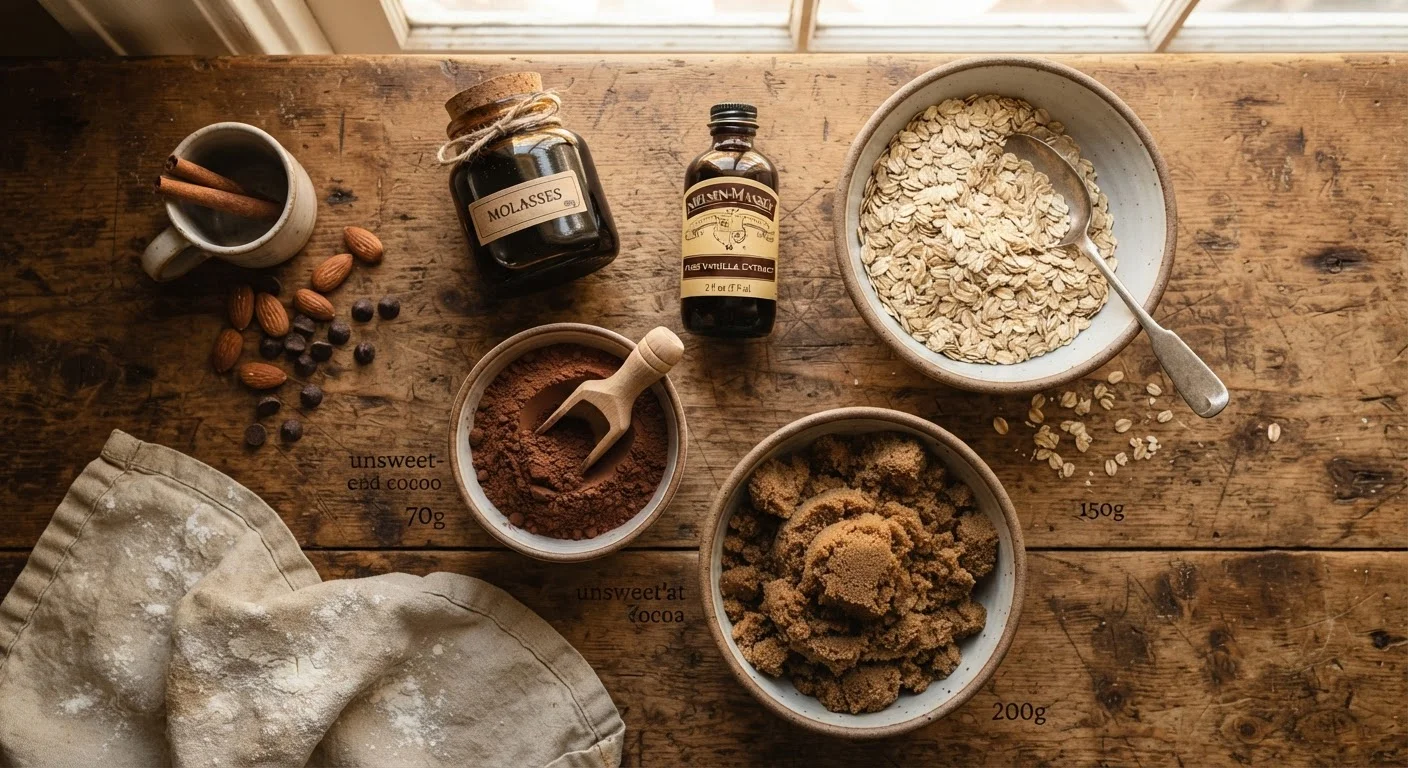
A small bottle of vanilla extract, a canister of cocoa powder, a jug of molasses: none of these cost much, yet each one does something a more expensive ingredient struggles to replicate. That concentration of flavor relative to cost is exactly why budget-conscious bakers often produce the most memorable results. The list below covers ingredients that show up on grocery shelves at low price points but carry serious weight in the finished product.
For a broader look at how pantry fundamentals support everyday cooking, see our guide to affordable pantry staples. And if you are new to baking altogether, the Sweet and Savoury baking beginner's guide walks through the tools and foundational recipes worth starting with.
Pure vanilla extract
Measured in teaspoons, vanilla extract costs only a few cents per recipe but supplies a depth of aroma that is almost impossible to skip without the baked good tasting flat. The compound vanillin rounds out sweetness and makes other flavors read as more complex. A single 4-ounce bottle, used judiciously, can last through dozens of batches of cookies, cakes, and quick breads.
When a recipe calls for a full tablespoon of vanilla, that is usually a sign the other flavors are mild and need the lift. Imitation vanilla performs fine in heavily spiced or chocolate-heavy recipes where the nuance gets lost anyway, which can stretch your budget further.
A few cents of vanilla extract can rescue a flat-tasting batter more reliably than almost any other fix.
Unsweetened cocoa powder
Cocoa powder packs intense chocolate flavor into a product that costs a fraction of baking chocolate bars or chocolate chips. Two to three tablespoons transform a plain brownie batter or cake into something that reads deeply chocolatey. Natural cocoa (the more acidic type) reacts with baking soda to produce lift and a slightly fruity edge. Dutch-process cocoa, treated to neutralize acidity, gives a darker color and a smoother, less sharp flavor.
The two are not interchangeable in every recipe because they behave differently with leaveners, so check which type a recipe specifies before swapping. Either way, the cost per tablespoon is low enough that cocoa powder is one of the best value additions to a baking pantry.
Cocoa powder costs far less per recipe than chocolate bars while delivering comparable depth of flavor.
Molasses
Blackstrap molasses and regular (unsulfured) molasses both come at modest prices, but the flavor payoff is substantial. Molasses is the byproduct of cane sugar refining, which means it contains trace minerals and a bittersweet, almost smoky character that white sugar lacks. A few tablespoons in gingerbread, bran muffins, or oatmeal cookies adds complexity and keeps the crumb moist for longer than plain sugar would.
Blackstrap is more bitter and mineral-forward; regular molasses is sweeter and more balanced for most dessert applications. Substituting a tablespoon of molasses for part of the white sugar in a cookie recipe is a simple, low-cost way to lift the flavor considerably.
Molasses brings a bittersweet depth to baked goods that plain sugar simply cannot replicate.
Rolled oats
Old-fashioned rolled oats are one of the most versatile and affordable baking ingredients available. Ground into flour, they add a mild nuttiness and slight chew to pancakes and muffins. Used whole, they provide texture in cookies and crumble toppings. Toasted before adding to a batter, they develop a richer, more complex flavor with no extra cost involved.
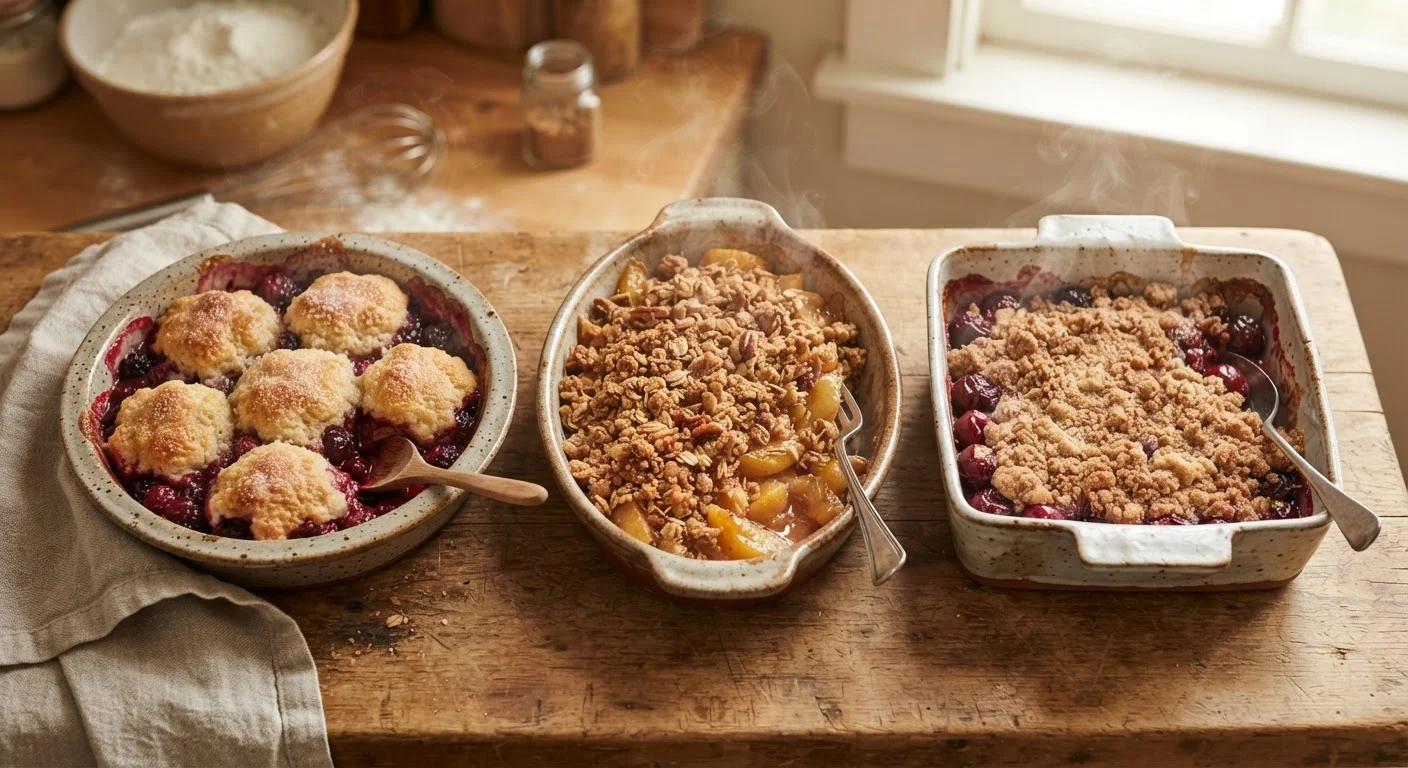
Oats also absorb moisture, which helps certain baked goods stay tender longer. For anyone curious about building desserts around a crumble or crisp topping, our breakdown of cobblers, crisps, and crumbles explains exactly how these oat-forward toppings differ and how to make each one as cheaply as possible.
Toasted oats cost almost nothing to prepare and add a genuinely complex, nutty flavor to any topping or batter.
Brown sugar
Brown sugar is white sugar with molasses added back in during processing, which means it carries both sweetness and the faint caramel notes that make cookies taste more rounded. The moisture content in brown sugar also keeps baked goods softer: a batch of cookies made with all brown sugar tends to stay chewy longer than one made with all white sugar.
Dark brown sugar has more molasses than light brown, so it produces a stronger flavor. Swapping half the white sugar in a recipe for brown sugar is a free technique upgrade that changes the flavor profile meaningfully without touching the grocery bill.
Swapping some white sugar for brown changes a cookie's flavor profile without adding to the grocery bill.
Baking soda
At just a few cents per teaspoon, baking soda is the leavening agent that does the most work per dollar in any pantry. It reacts with acidic ingredients (buttermilk, vinegar, molasses, brown sugar, natural cocoa) to produce carbon dioxide bubbles that make batters rise. Without it, most quick breads and cakes would come out dense and flat.
Baking soda also browns baked goods more deeply through a process called the Maillard reaction, contributing to the golden color and slight crispness on cookie edges. A box costs very little and lasts several months when stored in a sealed container away from moisture. Testing its potency before use (a small amount should fizz vigorously in hot water with a drop of vinegar) takes seconds and avoids a wasted batch.
Baking soda costs cents per recipe and drives both rise and golden-brown color in most quick baked goods.
Cinnamon
Ground cinnamon is cheap, shelf-stable, and does more for a baked good than its price suggests. In small amounts it sharpens the perception of sweetness, which means you can use slightly less sugar in a recipe without the result tasting flat. In larger amounts it takes over as the dominant flavor, the way it does in a snickerdoodle or a cinnamon roll.
Cinnamon also pairs with ingredients that might otherwise read as one-dimensional: a pinch in a chocolate batter deepens it, a half-teaspoon in oatmeal cookies ties the whole recipe together. For ideas on balancing flavors without spending more, our piece on balancing flavor without extra ingredients applies those principles directly to home cooking.
A small amount of cinnamon can sharpen sweetness perception, letting you use slightly less sugar overall.
Getting the most from your ingredient list
The ingredients above work best when you understand what they contribute structurally, not just how they taste. Molasses, for instance, pulls moisture into a batter and slows staling. Cocoa powder shifts the pH of a recipe, which affects how leaveners behave. Knowing that context lets you make smarter swaps and catch problems before they reach the oven. Our article on why cookies spread too thin shows how ingredient choices connect directly to texture outcomes.
Store smarter, waste less
Cocoa powder, baking soda, and spices like cinnamon stay fresh longest when kept in sealed containers away from heat and humidity. Vanilla extract is alcohol-based and keeps almost indefinitely at room temperature. Molasses should be stored in a cool spot and used within a year of opening. Checking your pantry before shopping lets you use what you have before restocking.
When cost is the main constraint, the pantry dessert approach can also stretch these staples furthest. The pantry desserts guide shows how to turn flour, sugar, and canned goods into satisfying sweets without a special trip to the store. For those curious about reducing sweetness while keeping flavor, baking with less sugar covers tested strategies that protect both moisture and structure.