
Why bland dinners keep happening
Most weeknight cooks are not bad cooks. They are rushed, distracted, and working from habit. The result is food that is technically cooked but dull to eat. The fix is rarely a new recipe or a specialty ingredient. It almost always comes down to when and how seasoning gets added during cooking.
Understanding a few basic patterns can turn a flat stir-fry or a lifeless chicken breast into something your family actually wants to eat again. These are the mistakes worth fixing first, along with direct ways to correct them. For a broader look at the four elements that control flavor, see how salt, fat, acid, and heat work together.
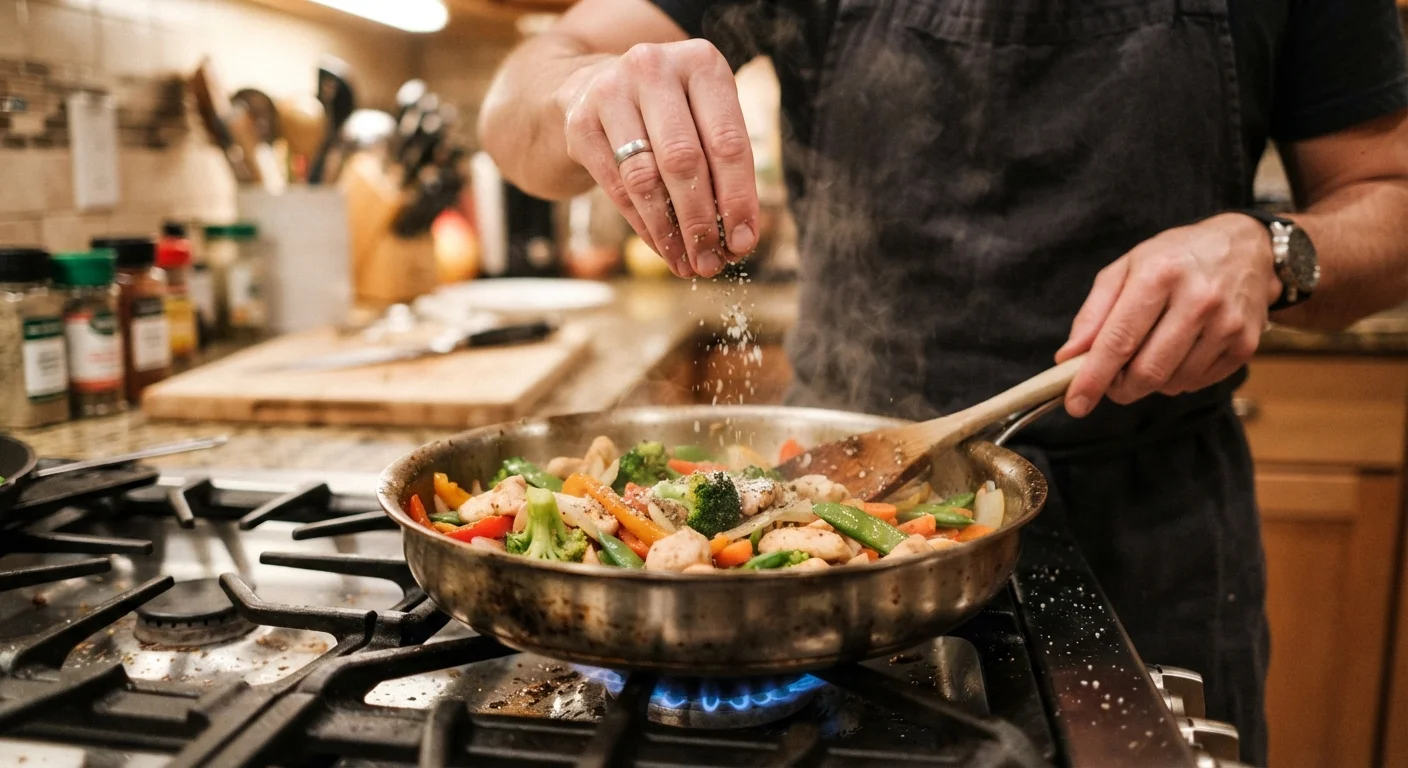
Adding all the salt only at the end of cooking.
Why it happens: Many cooks worry about over-salting, so they hold back and add a pinch at the table. This means the salt sits on the surface of food rather than penetrating it.
Adding dried spices directly to a finished dish.
Why it happens: It feels faster to shake spices in at the end, and the label instructions on spice jars rarely say otherwise.
Never using acid to finish a dish.
Why it happens: Vinegar and citrus juice are associated with salad dressing, so cooks skip them in savory mains. The result is food that tastes heavy or muted.
Seasoning the whole batch identically when feeding kids and adults.
Why it happens: It is faster to season once and serve everyone the same plate. But children often reject spiced food, which pushes adults to under-season the whole meal.
Not tasting food during cooking.
Why it happens: Busy cooks follow a recipe mechanically and trust that the written amounts are correct for their pan, their stove, and their ingredients. They often are not.
How to build better flavor starting tonight
The changes that matter most are small and immediate. Salt your pasta water generously before it boils, not after you drain the pasta. Toast your cumin or paprika in a dry pan or in oil for thirty seconds before adding anything else. Squeeze half a lemon over a finished chicken dish before it hits the table.
For sheet pan meals, seasoning the protein and vegetables separately before roasting gives every surface contact with salt and spice. The sheet pan dinner method works especially well here because the high, dry heat concentrates flavors that a covered pot would dilute.
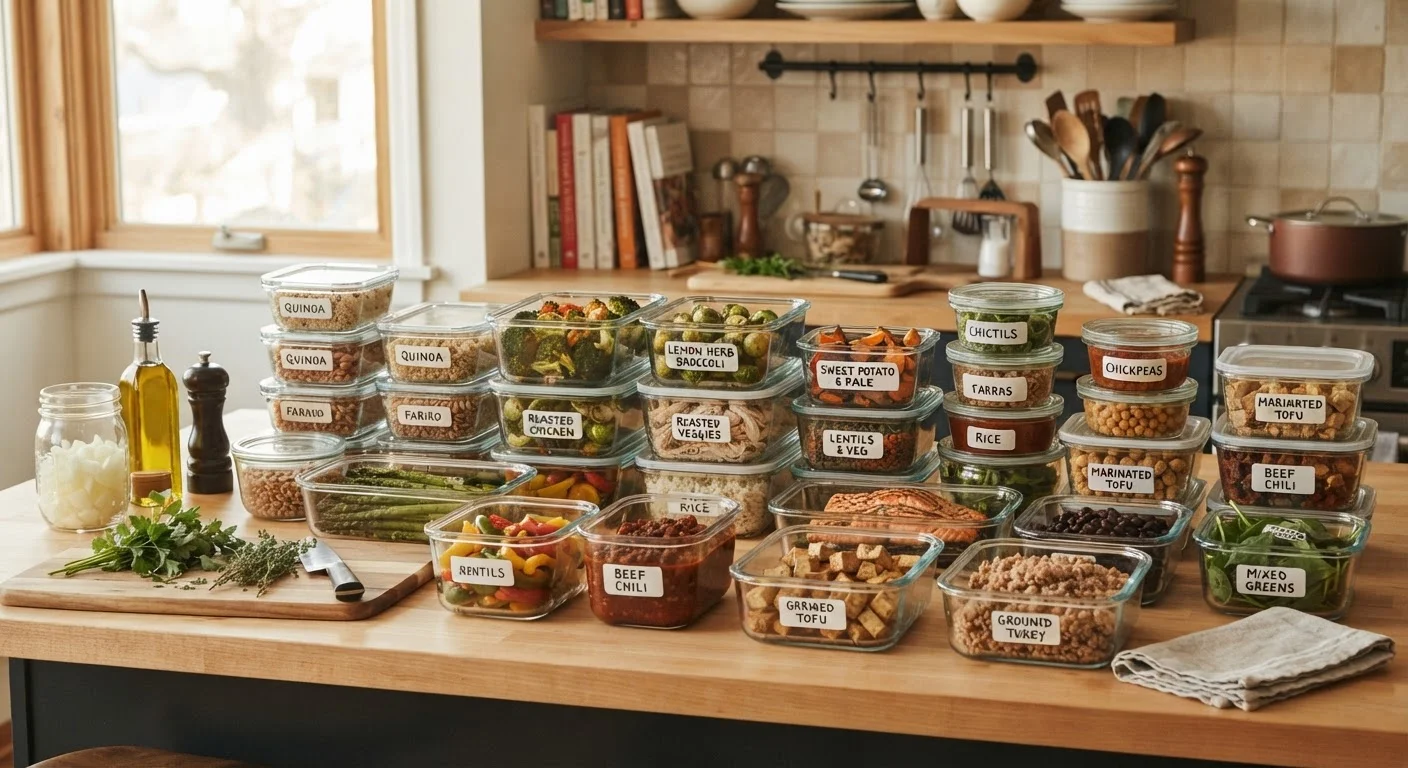
If you are cooking in batches on the weekend, taste and adjust seasoning after reheating, not just when the food comes off the stove. Batch cooking often means food sits in the fridge for two or three days, and some flavors mellow in that time. A small amount of acid or fresh herb at serving can bring a dish back to life.
Keeping a stocked pantry is the foundation that makes all of this practical. Garlic powder, smoked paprika, cumin, dried oregano, a bottle of apple cider vinegar, and fish sauce are inexpensive and cover a wide range of weeknight dishes. The pantry staples guide covers which shelf-stable items give you the most flexibility without spending much.
Watch your sodium if health is a concern
Layered salting produces better-tasting food with less total salt than a heavy final sprinkle, because your palate registers distributed salt more efficiently. That said, if a household member is managing a condition that requires low sodium intake, consult a registered dietitian or physician before making changes to seasoning habits. This article covers general cooking technique, not medical dietary guidance.