

What each element actually does
Salt does more than make food salty. It suppresses bitter compounds, which lets sweeter and more savory notes come forward. It also draws moisture to the surface of vegetables and proteins, concentrating flavor through evaporation. Adding salt at the start of cooking is different from adding it at the end: early salt seasons throughout, while late salt hits only the surface.
Fat coats the tongue and slows the release of flavor compounds, which extends how long you taste a dish. It also dissolves aromatic molecules that water cannot, so a small amount of fat in a sauce or dressing carries far more flavor than the same volume of broth. Finishing a dish with a drizzle of oil or a pat of butter is one of the lowest-cost ways to improve a meal you already cooked.
Acid does two things simultaneously: it brightens flavors that seem muted, and it cuts through richness so fatty dishes do not feel heavy. Citrus juice, vinegar, fermented dairy, and even canned tomatoes all deliver acidity. A few drops added just before serving can transform a dish that tastes complete but somehow dull.
Heat is where the other three are either preserved or lost. High, fast heat produces browning (the Maillard reaction), which generates hundreds of new flavor compounds. Low, slow heat softens texture and melds flavors. Overcooking at high heat drives off volatile aromatics, leaving food that smells flat before it reaches the table.
Diagnosing a flat dish
When a dish tastes wrong, the problem is almost always one of four things: not enough salt, not enough fat, not enough acid, or heat applied at the wrong moment. Working through them in order is faster than adding more ingredients.
Taste the dish and ask: does it taste thin and watery? Fat is likely missing or too low. Does it taste sharp or harsh? Acid may be too high or salt too low. Does it taste sweet or one-dimensional? It probably needs acid. Does it taste muddy or heavy? It likely needs both acid and salt.
Taste in sequence, not all at once
When correcting a dish, adjust one element at a time and taste after each change. Adding salt and acid simultaneously makes it impossible to tell which fix worked. Small, sequential adjustments produce a more controlled result and waste less food.
Most flat dishes do not need a new ingredient. They need a correction to one of the four elements using something already in the kitchen. This is why common seasoning mistakes are fixable without a grocery run.
Practical corrections with pantry staples
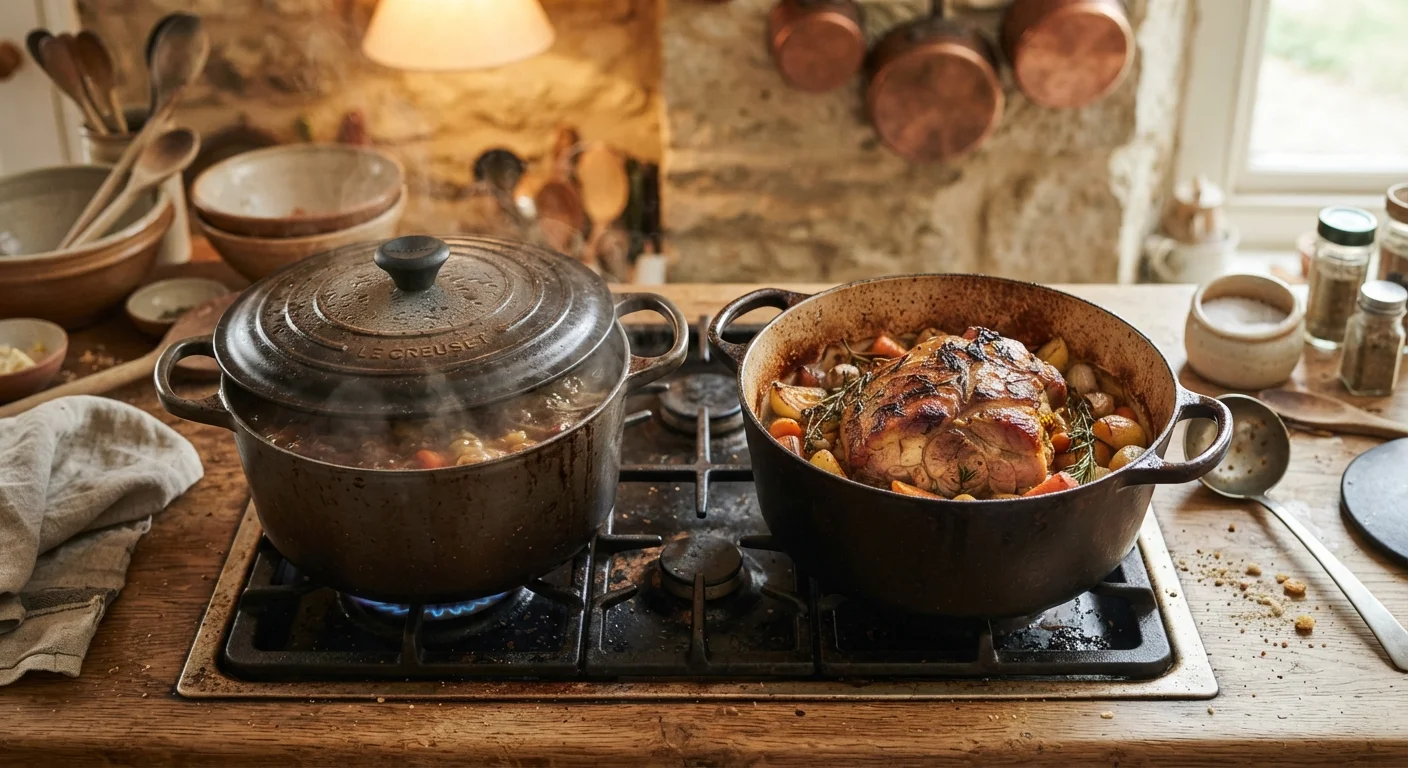
For under-seasoned soups and braises, add salt in small increments (a pinch at a time) and stir before tasting again, because dissolved salt needs a moment to distribute. If saltiness is already at its limit, stir in a small amount of acid instead. Even half a teaspoon of apple cider vinegar can open up a pot of beans or lentils.
For sauces that taste complete but flat, whisk in a small amount of cold butter off the heat. The process, called mounting, suspends fat in the liquid and produces a glossy, fuller-tasting result without any additional seasoning. A teaspoon is usually enough for a two-cup sauce.
For roasted vegetables that taste bland, the problem is often insufficient surface area exposed to high heat. Spreading pieces in a single layer with space between them allows moisture to evaporate rather than steam. Tossing them in fat before roasting helps browning; a pinch of salt added after roasting sharpens the finished flavor.
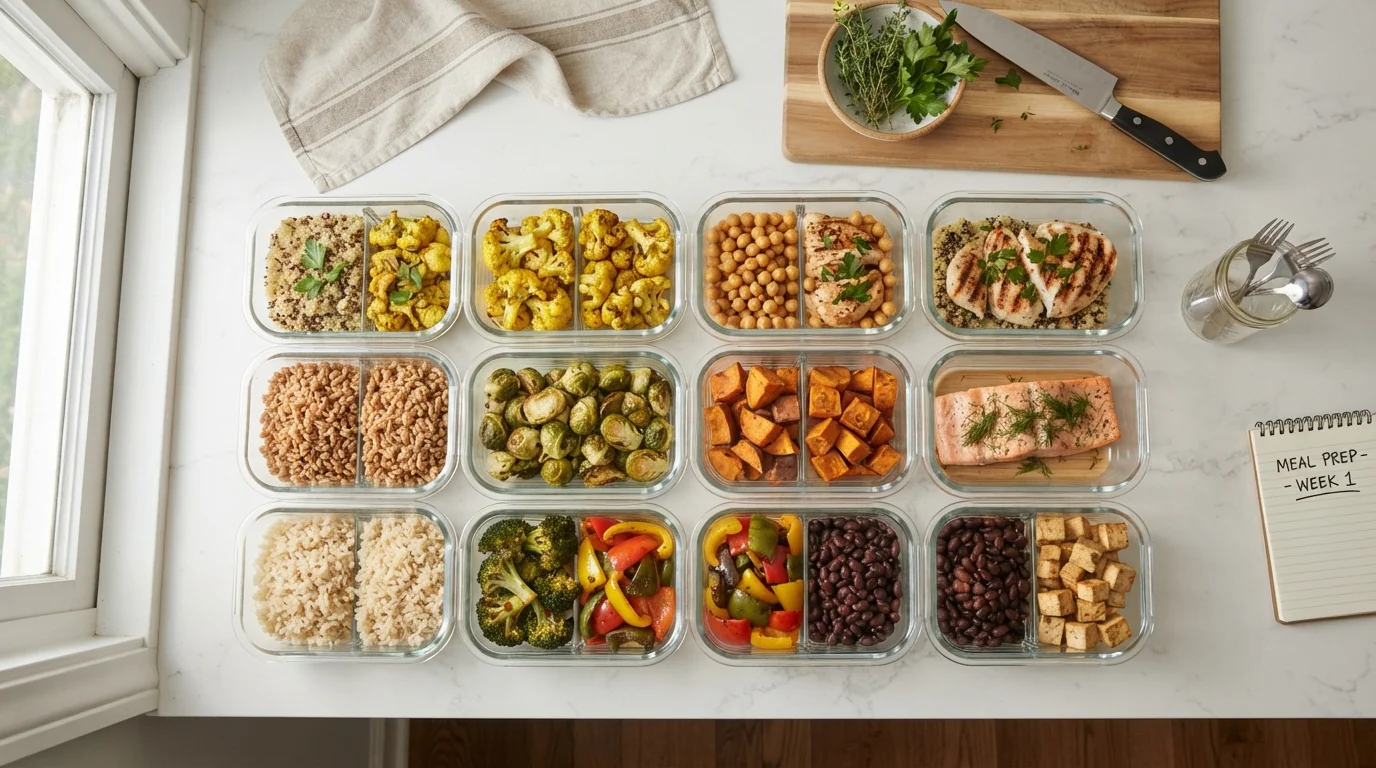
When a dish is genuinely over-salted, dilution with an unsalted component (more vegetables, cooked grains, or plain broth) is the most reliable fix. Acid helps perception but does not lower the actual sodium content. See meal prep basics for ideas on stretching over-seasoned dishes across multiple meals.
Applying the same logic to baking
Baking appears more formula-dependent, but the four elements still apply. Salt in a cookie or cake is not optional: it suppresses bitterness from cocoa or flour and makes sweetness more distinct. Most standard recipes already include it, but cutting it out to reduce sodium flattens the result noticeably.
Fat in baking determines texture. Butter produces flakiness and a distinct dairy flavor. Oil produces tenderness and moisture. Swapping one for the other changes the crumb structure, so the substitution is a trade-off rather than a direct replacement. Reducing sugar in baked goods follows the same logic: one element changed always affects at least one other.
Acid activates baking soda, tenderizes gluten in bread, and adds subtle complexity in fruit desserts. Buttermilk, yogurt, and cream of tartar are common sources. For pantry-based desserts, knowing which pantry acid to use for leavening can mean the difference between a dense result and a light one.
Heat in baking sets structure, drives off water, and produces crust color through caramelization and the Maillard reaction. An oven that runs hot or cold is the most common reason a correctly seasoned bake tastes wrong. An inexpensive oven thermometer removes that variable entirely.