
What actually happens inside a leftover dish
The transformation that happens between dinner tonight and lunch tomorrow comes down to time and temperature working together. When a hot dish moves into a cold environment, it does not simply stop cooking and wait. Physical and chemical changes continue at a much slower pace.
Spices such as cumin, coriander, and bay leaf release their volatile compounds gradually. In a freshly made pot of chili, those compounds exist mainly in the solids and at the surface of the liquid. After several hours in the refrigerator, they have migrated through the entire dish, so every spoonful carries the full flavor profile rather than an uneven mix.
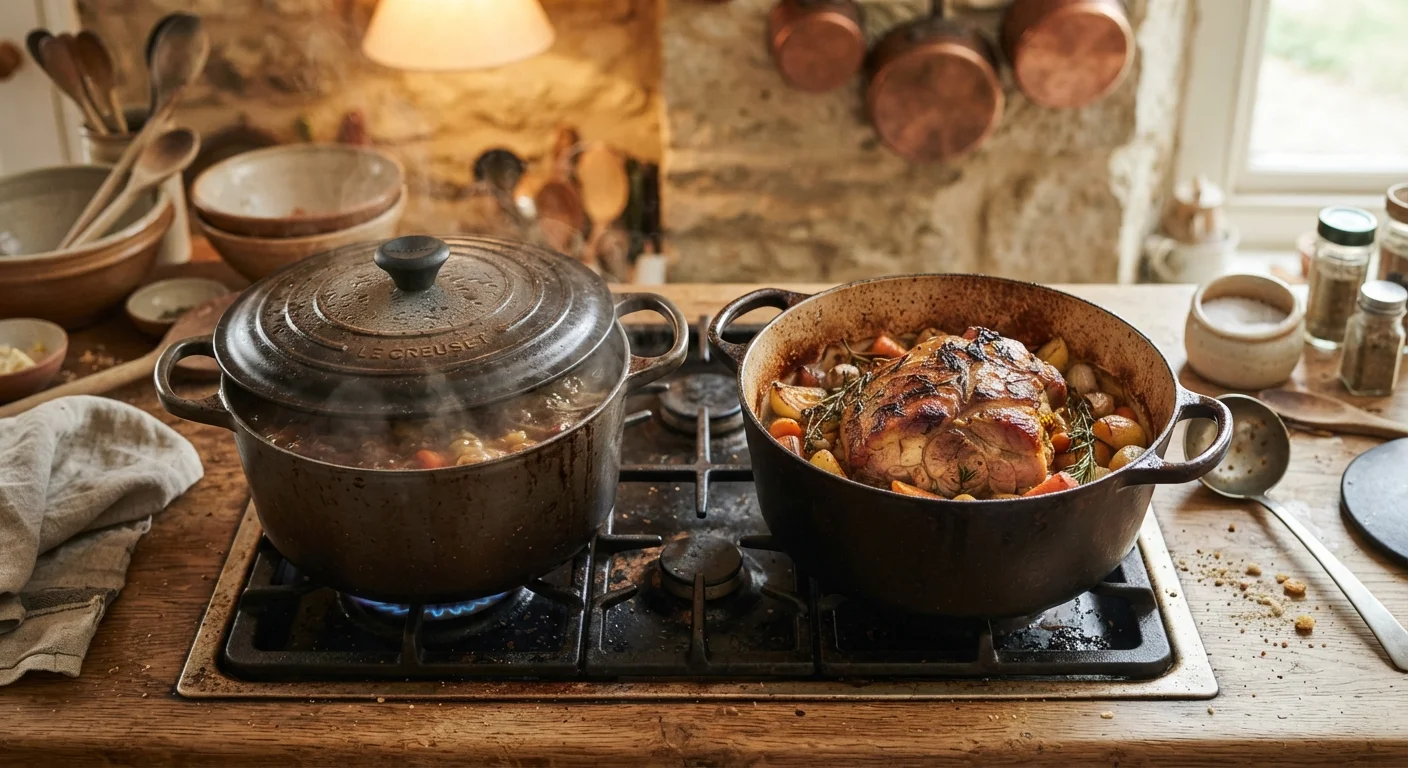
Fat behavior is another big factor. In a braise or stew, fat droplets are suspended through the liquid while the dish is hot. As the temperature drops, fat solidifies and rises slightly, then re-emulsifies back into the dish when you reheat it. That cycle distributes fat-soluble flavor compounds (the kind that carry the richest, most savory notes) more thoroughly than the original cook did.
Fat-soluble versus water-soluble flavors
Many of the most complex flavor compounds in spices and herbs are fat-soluble, meaning they carry better in fat than in water. This is why dishes cooked with oil, butter, or fatty meat develop deeper flavor over time as fat redistributes through the dish. Water-soluble compounds, found in alliums like onion and garlic, behave similarly but migrate through the liquid itself rather than through the fat.
The role of starches and acid
Starch retrogradation is a less-discussed but noticeable factor. When cooked starches cool, they partially re-crystallize, absorbing surrounding liquid in the process. This is why a thin soup from the night before often has a thicker, silkier body by morning. Beans, lentils, and root vegetables all contribute starches that behave this way.
Acidic dishes, particularly tomato-based sauces, pasta sauces, and vinegar-heavy braises, also improve because acids mellow with time. Fresh tomato sauce can taste sharp right off the stove. After a night in the refrigerator, the acid compounds interact with other ingredients, and the flavor rounds out into something smoother without losing brightness.
This is the same reason many experienced cooks make chili and bolognese sauce a day ahead when cooking for guests. The dish at the table genuinely differs from what it was the evening before, and the difference is measurable rather than imagined. For families cooking on a budget, this is directly useful information: batch cooking on a Sunday and eating those meals through the week produces better-tasting food, not just more convenient food.
Which dishes benefit most, and which do not
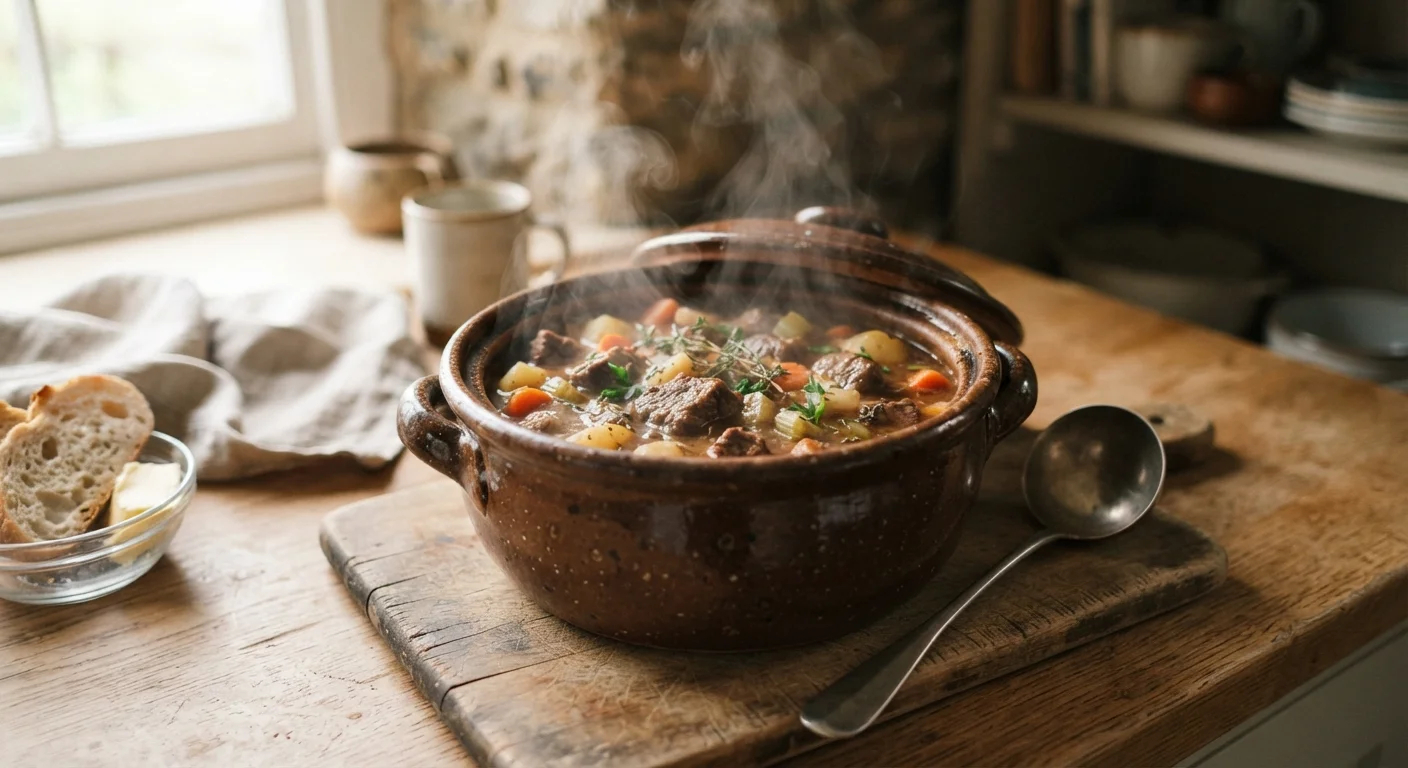
Not every food improves overnight. The effect is strongest in dishes with a liquid component and complex seasoning. Chili, beef stew, chicken tikka masala, white bean soup, and braised short ribs all fall into this category. The more aromatics and spices a recipe uses, the more pronounced the overnight improvement tends to be.
Conversely, dishes that depend on textural contrast do not benefit. A fried chicken cutlet stored overnight loses its crust. A dressed green salad wilts. Pasta without sauce goes gummy. The rule is roughly this: wet, long-cooked, spice-forward dishes get better; crispy or lightly dressed dishes get worse.
Casseroles occupy a middle ground. A lasagna or baked pasta often holds together better and slices more cleanly after a night in the refrigerator because the layers firm up as they cool. The flavor may also deepen slightly, though less dramatically than a stew would.
If you want to reduce food waste at home, food storage myths worth knowing can help you get the most from these dishes before they need to be used up.
How to cook intentionally for better leftovers
Once you understand why leftovers improve, you can plan around it rather than treating the next-day meal as an afterthought. A few practical adjustments make a real difference.
Under-season slightly when cooking a stew or braise the first time, then taste and adjust when reheating. The flavor will have concentrated overnight, and a dish that tasted perfectly seasoned fresh can be salty the next day. Pull back on salt during the original cook, and you have more control at the reheating stage.
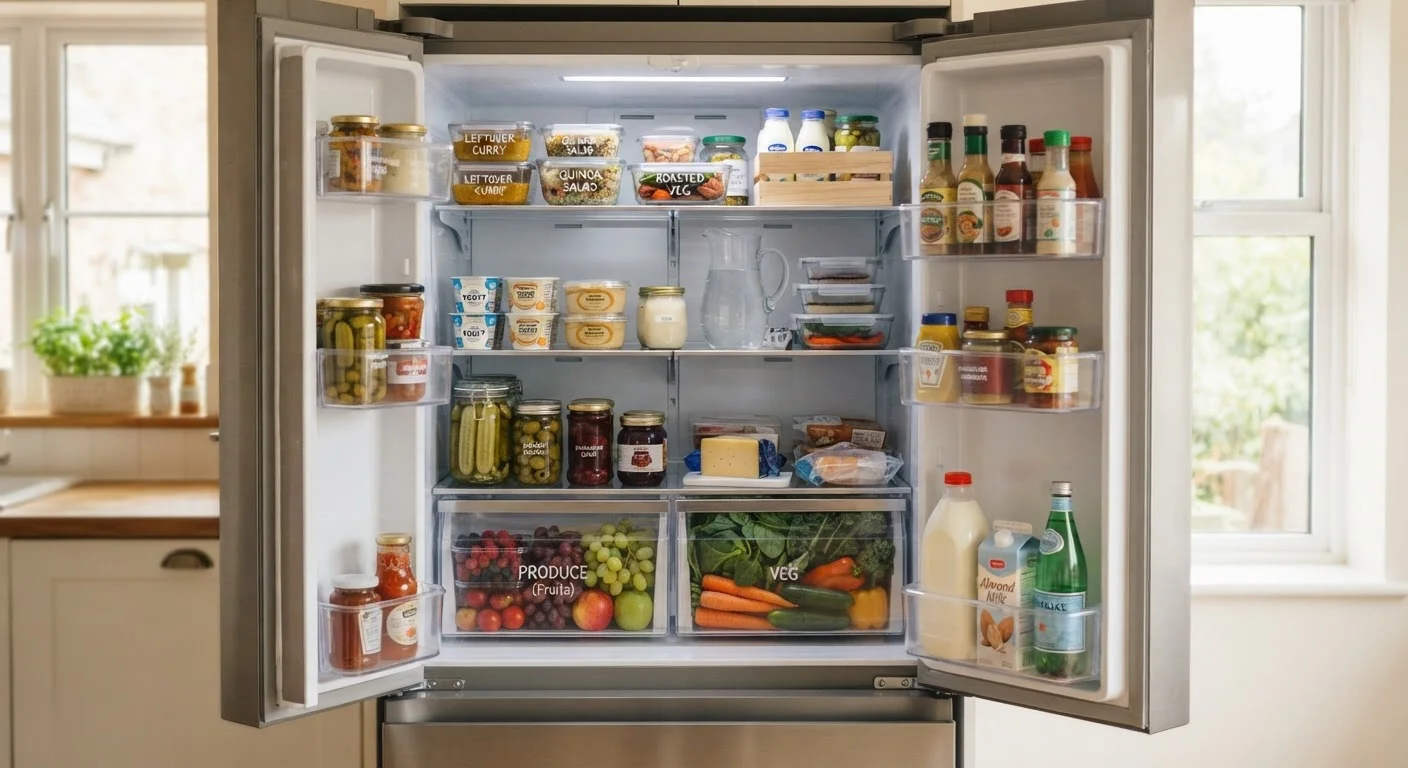
Store leftovers in shallow, wide containers rather than deep, narrow ones. Shallow containers cool faster and more evenly, which matters for both food safety and texture. Rapid cooling also reduces condensation inside the container, which would otherwise dilute the dish slightly.
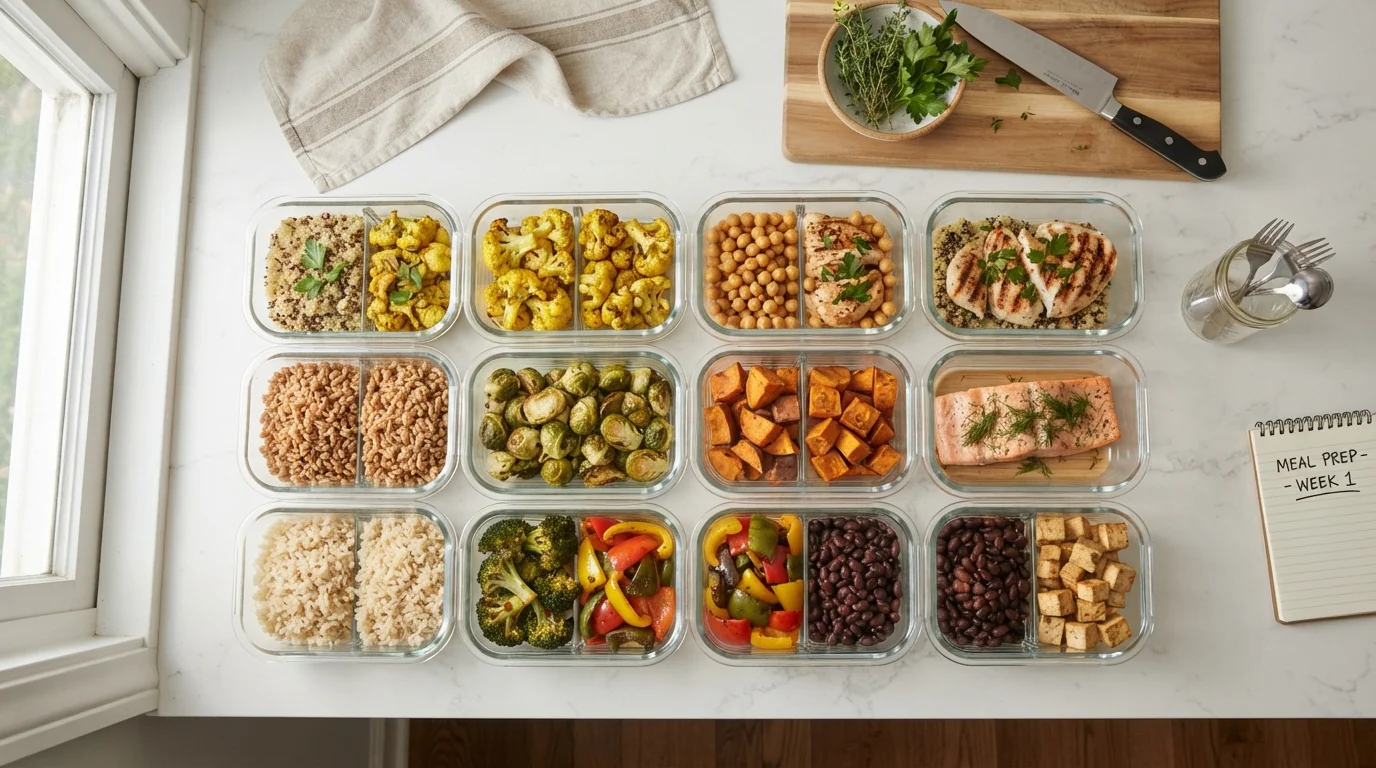
When planning a week of meals, the Sunday prep method pairs well with this principle: dishes cooked on Sunday are often at their best by Tuesday. If your family resists eating the same meal twice, common meal prep concerns addresses that directly, including how to reframe leftovers as a planned second meal rather than a recycled first one.
For protein-focused meals, batch-cooked proteins like chicken and beans can be seasoned and stored in a sauce or cooking liquid so that overnight absorption gives them more flavor by the time they reach a weeknight plate.