
The real cost difference between oven-on and oven-off
When families compare no-bake and baked desserts, the first instinct is to look at the ingredient list. That is a reasonable start, but it misses one line item: energy. Running a home oven at 350 degrees Fahrenheit for 30 to 45 minutes uses roughly 0.4 to 0.6 kilowatt-hours of electricity. At the national average residential rate, that adds anywhere from 5 to 9 cents per baking session. It sounds small, but across a week of frequent baking it accumulates.
No-bake desserts sidestep that cost entirely. A batch of chocolate oat energy balls, peanut butter bars, or a chilled icebox cake needs only a stovetop minute or two, or no heat at all. The refrigerator runs regardless of whether you make dessert, so that energy is essentially a sunk cost.
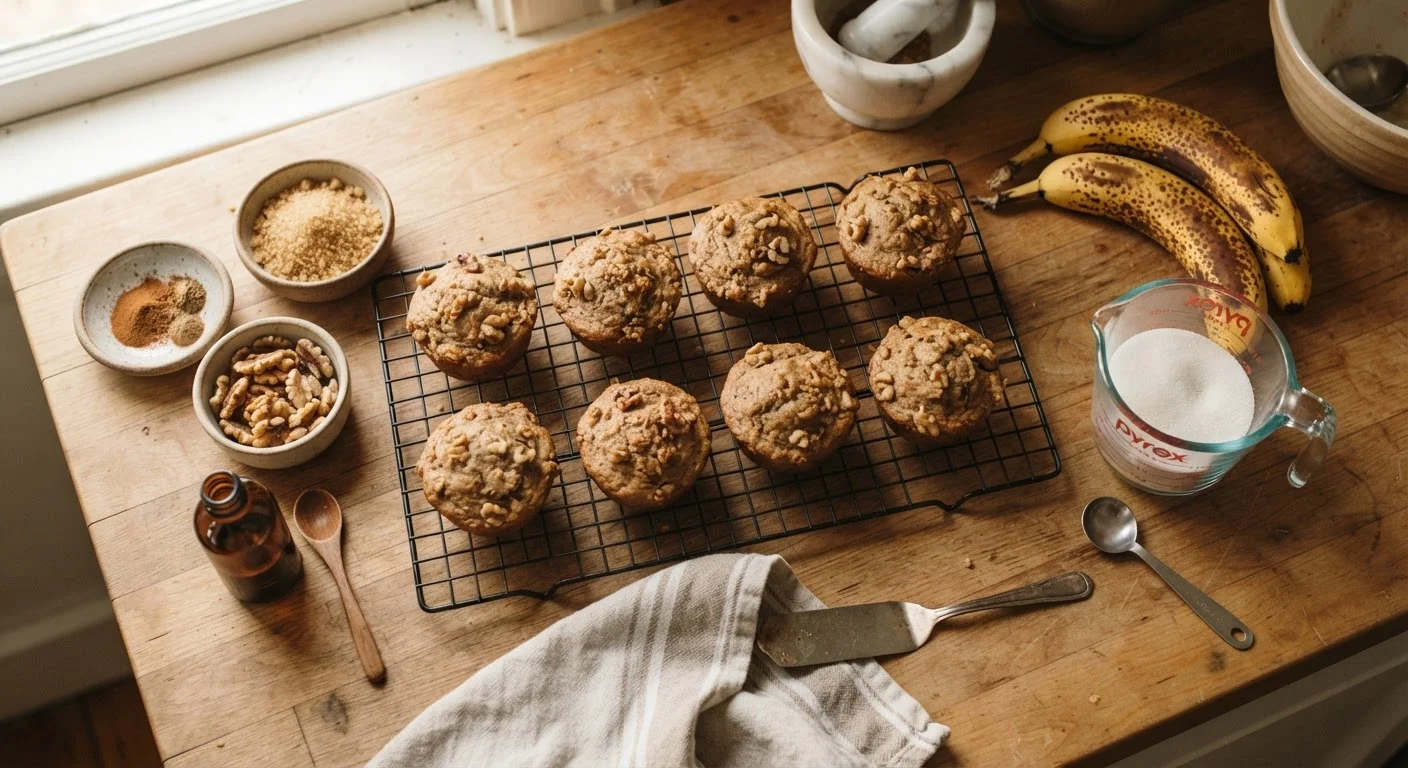
Ingredient costs tell a more nuanced story. Baked goods lean on inexpensive dry staples: all-purpose flour, baking powder, and granulated sugar often cost less per cup than the nuts, nut butters, and dates that form the base of many no-bake recipes. A batch of plain sugar cookies can come in well under a dollar in ingredients, while a tray of no-bake peanut butter oat bars may cost more simply because natural nut butter is pricier than flour. See our guide to affordable baking ingredients for a closer look at which staples give the most flavor per dollar.
| Criterion | No-bake desserts | Baked desserts |
|---|---|---|
| Active prep time | 10 to 20 minutes | 15 to 30 minutes |
| Passive wait time | 1 to 6 hours chilling | 20 to 45 minutes baking plus cooling |
| Energy cost | Minimal (stovetop or none) | 5 to 9 cents per session (oven) |
| Base ingredient cost | Moderate (nut butter, oats, dates) | Low (flour, sugar, eggs, butter) |
| Texture variety | Chewy, dense, creamy | Crisp, risen, caramelized |
| Summer-friendly | Yes, no oven heat | Less so in hot kitchens |
| Skill level needed | Low to moderate | Low to moderate |
Time: where no-bake pulls ahead and where it does not
The phrase "no-bake" implies speed, and for active prep time that is accurate. Most no-bake recipes need 10 to 20 minutes of hands-on work. The catch is passive time: a chilled cheesecake needs 4 to 6 hours in the refrigerator before it sets firmly enough to slice. An icebox cake benefits from overnight rest. So "no-bake" rarely means "ready in minutes" for anything that requires setting.
Baked desserts demand active time at the oven and passive cooling time once they come out. A pan of brownies bakes in 25 minutes and needs another 20 to cool. Total elapsed time is comparable to a no-bake bar that chills for an hour. The difference is that baking requires you to stay near the kitchen, while a chilling dessert frees you to do other things.
For weeknight efficiency, no-bake wins when you can start the recipe early and let the fridge do the work. For spontaneous weekend baking with the family, an oven-based batch of cookies or a simple cobbler can actually be faster from start to first bite. Our meal prep basics hub has useful frameworks for deciding which approach fits your weekly schedule.
Flavor payoff: what the oven does that the fridge cannot
Baking creates chemical reactions that no-bake methods cannot reproduce. Maillard browning gives cookies their golden edges and deep, caramel-adjacent flavor. Caramelization in a fruit cobbler concentrates sweetness in ways that chilling never will. If you want crisp texture, a risen crumb, or that toasty aroma filling the kitchen, the oven is doing work that a refrigerator cannot replicate. Our article on fruit cobblers, crisps, and crumbles breaks down exactly how those baked textures differ from each other.
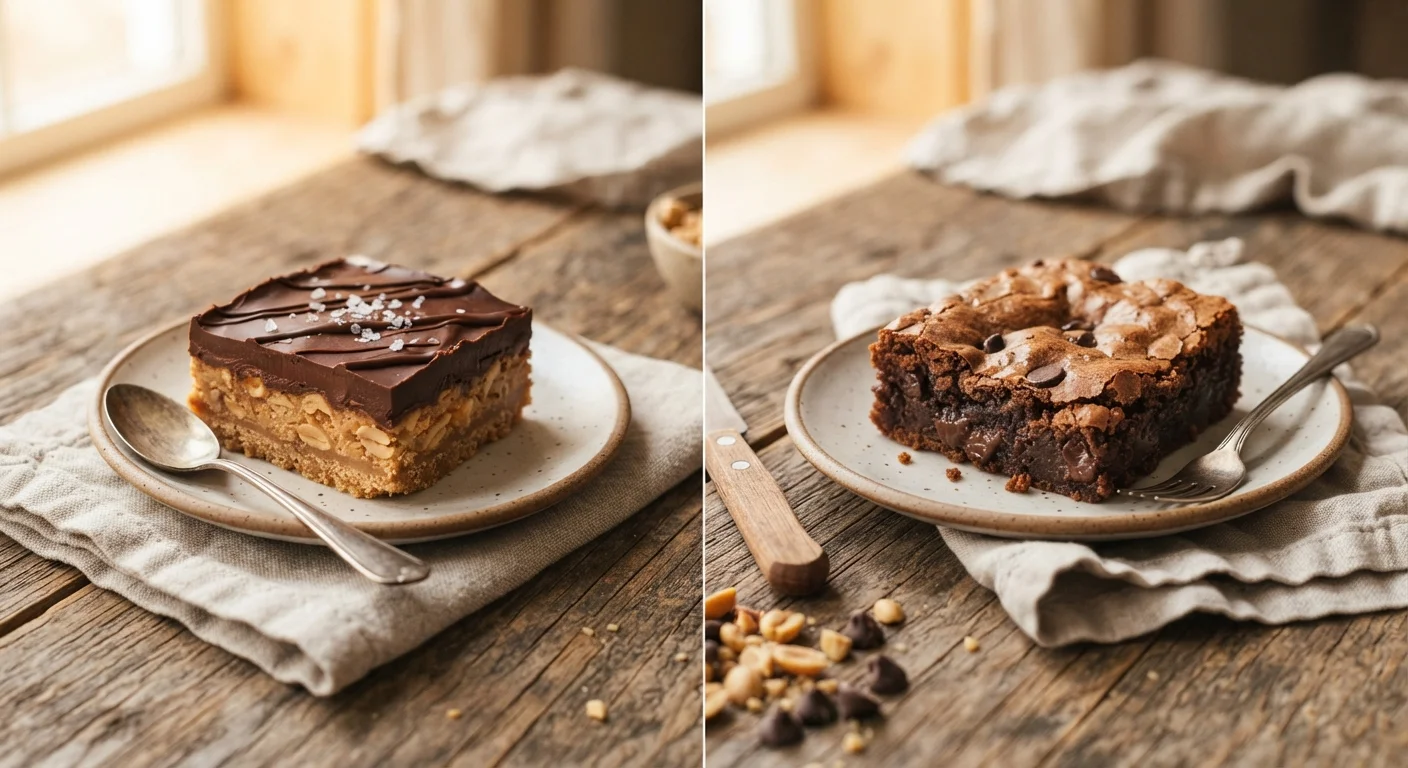
No-bake desserts compensate with other strengths: richness from nut butters, natural sweetness from dried fruit, and satisfying chewiness from oats or shredded coconut. A well-made no-bake chocolate peanut butter bar is genuinely delicious, just differently so than a warm brownie. Both can deliver big flavor; they do it through different means.
If you want to stretch flavor in baked goods without spending more, reducing sugar strategically is one approach worth knowing. For no-bake recipes, the equivalent move is using a smaller amount of a more intense ingredient, such as dark cocoa powder instead of milk chocolate chips, to keep costs down without flattening the flavor.
0.4 to 0.6 kWh
Energy used per standard oven baking session
Based on a conventional electric oven running at 350 degrees Fahrenheit for 30 to 45 minutes, per U.S. Department of Energy appliance estimates.
Under $1.00
Typical ingredient cost for a basic sugar cookie batch
When made from pantry staples already on hand, a standard 24-cookie batch of plain sugar cookies can cost less than a dollar in incremental ingredients.
20 minutes
Average hands-on prep for a no-bake oat bar batch
Most standard no-bake bar recipes with common pantry ingredients require roughly 15 to 20 minutes of active preparation before refrigeration.
Which approach works best for your kitchen
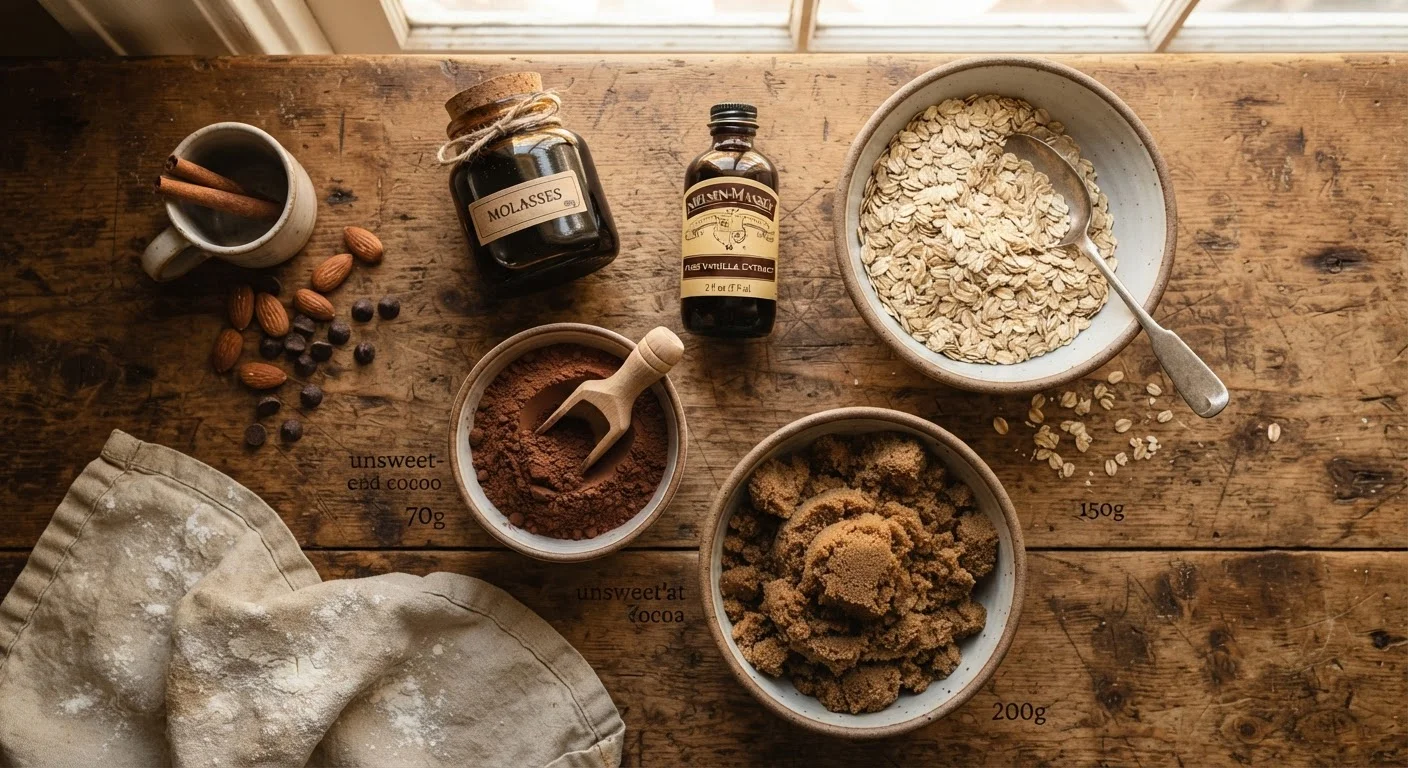
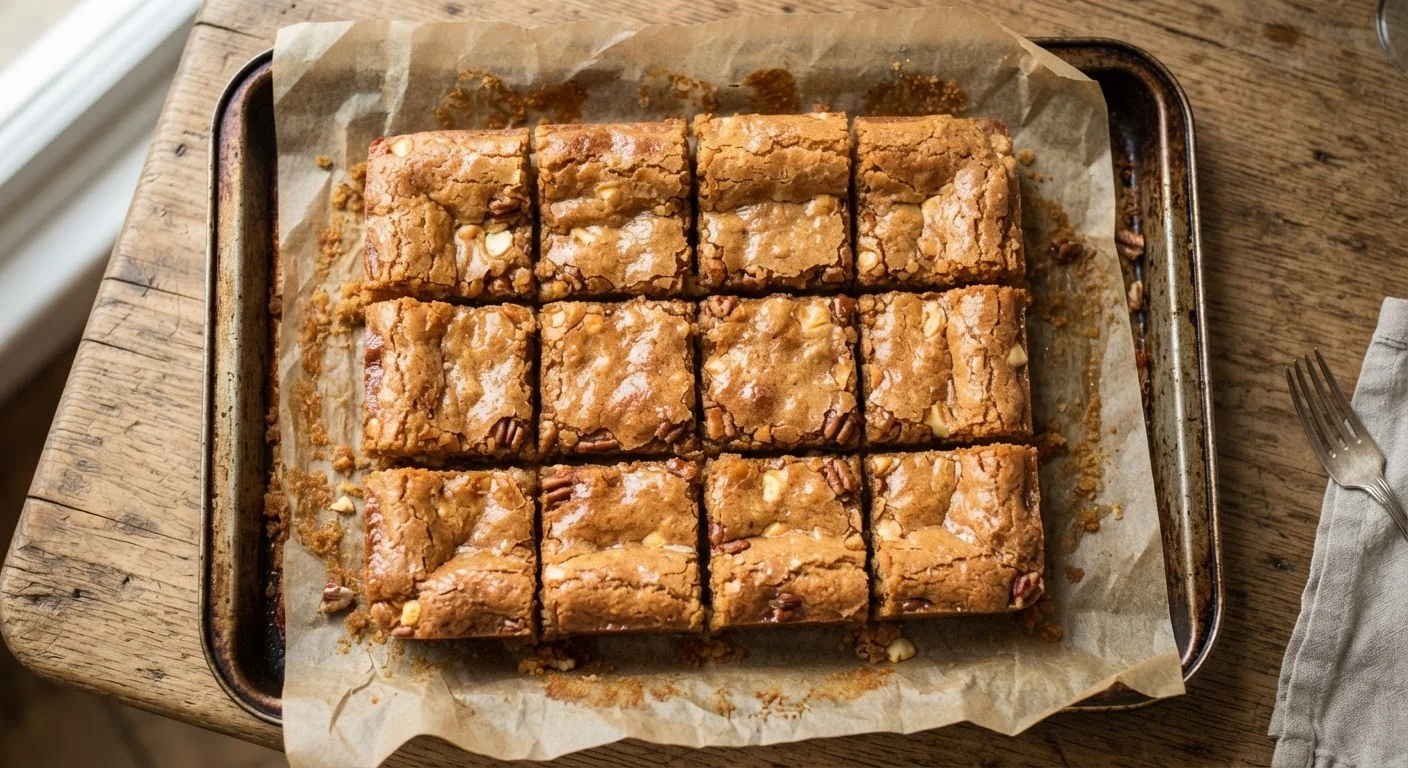
The answer depends on three things: what you have in the pantry right now, how much time you have before you need to serve something, and whether you want to run the oven. If your shelves hold oats, peanut butter, honey, and cocoa powder, a no-bake batch of energy balls costs almost nothing extra and is done in 20 minutes. If you have flour, eggs, butter, and sugar, a sheet pan of blondies or a simple cake may actually be cheaper per serving and more filling.
Neither category is always cheaper or always faster. The honest calculation is situational. A good habit is to keep ingredients for both approaches on hand so the decision is driven by your actual schedule rather than by what you happen to have. Our pantry desserts guide lists which staples bridge both worlds most effectively, and our cooking tips section covers broader strategies for making the most of what is already in your kitchen.